

A Schengen-Style Univisa for Southern Africa: Unlocking Borderless Travel

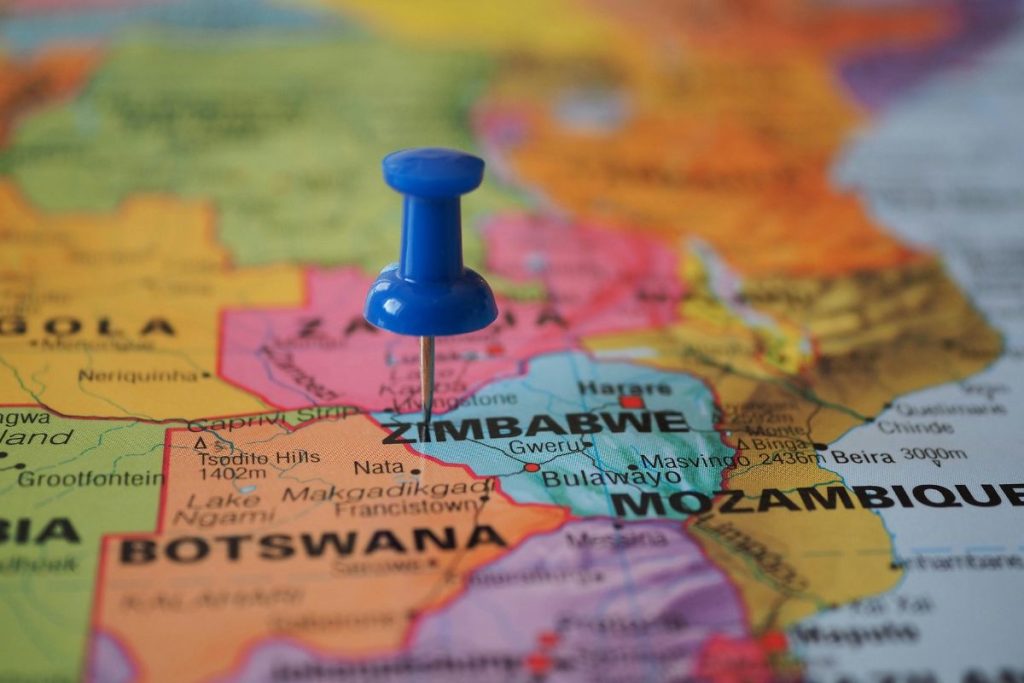
Imagine visiting Victoria Falls in Zimbabwe in the morning, taking a short flight to Namibia for a desert safari, and then crossing into Botswana for a sunset cruise on the Chobe River—all without the headache of applying for separate visas. This dream is quickly becoming reality as Angola, Botswana, Namibia, Zambia, and Zimbabwe move toward adopting a Schengen-style Univisa to ease travel across the region.
This forward-thinking policy is more than just a convenience for travelers. It is a landmark step toward regional integration, tourism growth, and cultural exchange in Southern Africa. Just as Europe’s Schengen visa opened up seamless travel across multiple countries, the Southern African Univisa has the potential to transform the way tourists experience this beautiful and diverse part of the continent.

What is the Southern Africa Univisa?
The Univisa is a unified visa system that allows visitors to travel freely between participating countries with a single entry document. For now, the participating nations are Angola, Botswana, Namibia, Zambia, and Zimbabwe—five countries that together offer a breathtaking variety of landscapes, cultures, and attractions.
Instead of applying for separate visas for each country, travelers will soon be able to enter once and move around without the hassle of repetitive paperwork, fees, and border delays.
It’s modeled after the European Schengen visa system, which has been one of the cornerstones of Europe’s tourism and economic growth. For Southern Africa, this Univisa is a powerful symbol of cooperation and shared vision.
Why is This Univisa a Game-Changer?
- Convenience for Tourists
International travelers often avoid multi-country itineraries in Africa because of complex visa processes. A Univisa removes this barrier, making cross-border travel as simple as moving between states. - Boost to Tourism
Southern Africa is home to iconic destinations: the Okavango Delta in Botswana, the Skeleton Coast of Namibia, Victoria Falls shared by Zambia and Zimbabwe, and Angola’s pristine coastline. A single visa will encourage visitors to explore more, stay longer, and spend more. - Regional Integration
Beyond tourism, the Univisa promotes closer political, cultural, and economic ties between member states, fostering unity and shared development goals. - Competitiveness in the Global Market
By simplifying access, the region becomes more attractive compared to other global destinations like Europe or Southeast Asia, which already offer multi-country travel perks.
Spotlight on the Five Univisa Nations
1. Angola: Africa’s Rising Star
Known for its Atlantic coastline, rich oil economy, and historic landmarks, Angola is slowly emerging as a tourism destination. With the Univisa, Angola gains better visibility and accessibility for international travelers seeking both business and leisure opportunities.
2. Botswana: Jewel of the Kalahari
Famous for the Okavango Delta, a UNESCO World Heritage site, and abundant wildlife, Botswana is already a top safari destination. The Univisa will make it easier for travelers to pair Botswana’s wilderness with nearby adventures in Namibia and Zimbabwe.
3. Namibia: Desert Meets Ocean
From the surreal landscapes of Sossusvlei to the shipwreck-strewn Skeleton Coast, Namibia offers otherworldly beauty. Its position in the Univisa scheme is strategic, linking Southern Africa’s coastal gateway with inland wonders.
4. Zambia: The Land of Victoria Falls
Zambia offers some of Africa’s most spectacular natural sites, with Victoria Falls as its crown jewel. Known as “Mosi-oa-Tunya” (the smoke that thunders), the falls straddle Zambia and Zimbabwe, making a unified visa system particularly beneficial for tourists.
5. Zimbabwe: A Treasure Trove of Heritage
Beyond its share of Victoria Falls, Zimbabwe boasts Great Zimbabwe ruins, national parks like Hwange, and vibrant cultural traditions. Easier access via the Univisa could reignite Zimbabwe’s tourism sector after years of decline.
Tourism Potential: Numbers That Tell the Story
According to the World Travel & Tourism Council, Africa’s tourism industry contributes over 8% to the continent’s GDP and creates millions of jobs. However, visa restrictions have historically limited growth compared to other regions.
A Univisa could:
- Increase tourist arrivals by 15–25% in the first 3 years.
- Boost regional tourism revenue by hundreds of millions of dollars annually.
- Create jobs in hospitality, transport, and cultural industries.
Tour operators, airlines, and local businesses stand to benefit immensely from the surge in multi-destination travel.
Lessons from Past Experiments
This is not the first attempt at a Univisa in Africa. In 2014, Zambia and Zimbabwe launched a KAZA Univisa (Kavango–Zambezi Transfrontier Conservation Area), which allowed travel between the two countries and day-trips to Botswana.
While the pilot program had teething problems—such as visa shortages at entry points—it demonstrated strong demand. Expanding this model across five nations with stronger coordination is a natural progression.
Challenges Ahead
Like any ambitious regional project, the Univisa faces hurdles:
- Logistics: Ensuring smooth systems at border posts.
- Revenue Sharing: Deciding how visa fees are distributed among member states.
- Security Concerns: Balancing open borders with maintaining safety.
- Awareness: Educating travelers, agents, and embassies about the new system.
Overcoming these challenges will require political will, investment in technology, and regional cooperation.
What This Means for Travelers
For travelers, the Univisa means:
- Less Paperwork – apply once, travel widely.
- Lower Costs – one visa fee instead of several.
- More Freedom – explore hidden gems across multiple countries.
- Increased Value – maximize experiences in a single trip.
Imagine this itinerary:
Fly into Namibia for a desert safari → Cross to Botswana for a Mokoro ride in the Okavango Delta → Head into Zambia for Victoria Falls → Step into Zimbabwe for Hwange’s elephants → End with Angola’s beaches. All possible with one visa.
The Future of African Travel
The Univisa is more than a document; it’s a vision of a borderless Africa, where tourism thrives, cultures blend, and economies grow together. If successful, it could inspire other regions of Africa—like East Africa or West Africa—to adopt similar systems.
For now, Angola, Botswana, Namibia, Zambia, and Zimbabwe are writing a new chapter in African travel. One visa, five countries, endless adventures.
Conclusion
The Schengen-style Univisa for Southern Africa is a transformative milestone that simplifies travel, boosts regional cooperation, and strengthens Africa’s presence in the global tourism arena. With its breathtaking landscapes, rich heritage, and diverse cultures, Southern Africa is ready to welcome the world with open arms—and now, with open borders.
Whether you are an adventure seeker, wildlife lover, cultural explorer, or leisure traveler, the Univisa promises more freedom, value, and discovery. Southern Africa is no longer just a collection of destinations—it is becoming a connected experience.
Tapmigo Tip: Stay tuned for updates on when the Univisa officially rolls out and how to apply. Your next Southern Africa adventure may be just one visa away. 🌍✨

