Hilton Plans to More Than Triple Its African Hotel Footprint to Over 160 Hotels, Entering Angola, Ghana, Benin, and Returning to Madagascar and Tanzania

The African hospitality industry is heating up, and Hilton Hotels & Resorts is leading the charge. The global hotel giant has unveiled plans to more than triple its African portfolio, expanding to over 160 hotels in the coming years. This ambitious strategy will see Hilton entering new markets such as Angola, Ghana, and Benin, while also making a much-anticipated return to Madagascar and Tanzania.
For Africa, this expansion is more than just about hotels—it’s about opportunities, global visibility, and the redefinition of how the world experiences the continent. For travelers, it promises more choice, higher standards, and access to some of the most exciting destinations on the African map.
Why Hilton is Betting Big on Africa
Africa is often described as the world’s last frontier for tourism growth. With a rapidly expanding middle class, improved air connectivity, and increasing investor confidence, the continent has become a magnet for global hotel brands. Hilton’s strategy is a response to strong demand from both business travelers seeking reliability and leisure travelers eager to explore Africa’s natural and cultural wealth.
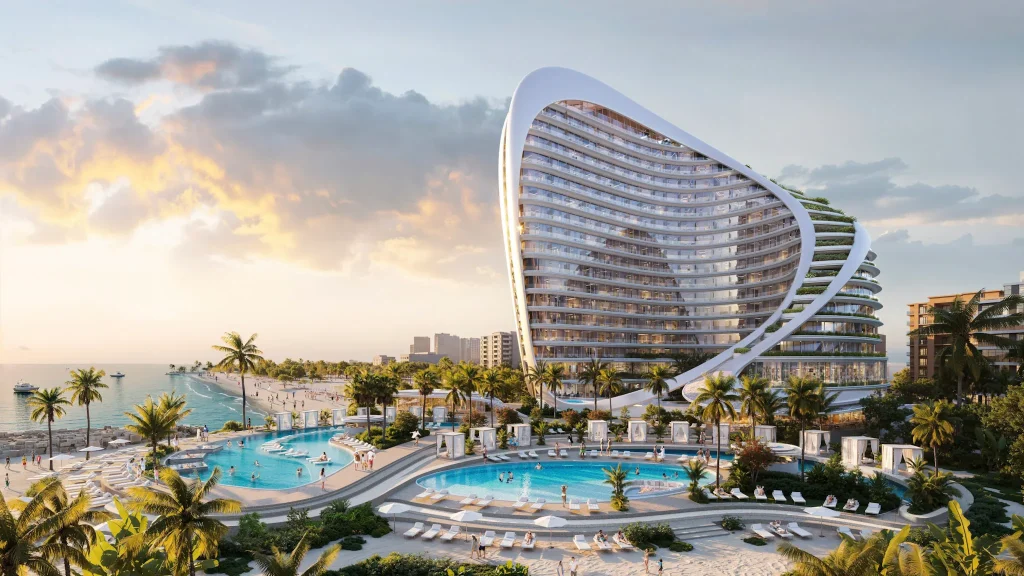
According to the African Development Bank, the continent’s tourism industry is projected to grow steadily over the next decade, contributing billions to GDP and creating millions of jobs. Hilton, with its global reputation and loyal customer base, is positioning itself to capture a major share of this growth.
Spotlight on Hilton’s Key Target Markets
Angola: A Natural and Business Hub
Angola, one of Africa’s largest oil producers, is becoming increasingly attractive for business travel. Beyond oil, its Atlantic coastline, waterfalls, and cultural heritage are emerging as draws for leisure tourists. Hilton’s entry into Angola will likely combine business hotels in Luanda with resort-style properties along the coast.
Ghana: West Africa’s Rising Star
Ghana has become one of Africa’s hottest destinations, blending cultural vibrancy with economic progress. Accra is already buzzing with business and leisure demand, while destinations like Cape Coast and Kumasi attract heritage tourism. Hilton’s expansion into Ghana will strengthen its footprint in West Africa, catering to conferences, corporate clients, and diaspora tourism.
Benin: A Gateway of Heritage
Benin may be small, but it is rich in history and culture, with Ouidah and Abomey offering deep insights into the story of the transatlantic slave trade. By entering Benin, Hilton signals confidence in niche cultural tourism markets and a willingness to pioneer in emerging destinations. Business opportunities linked to the West African trade corridor also play a role.
Madagascar: Return to an Island Treasure
Hilton’s return to Madagascar is highly anticipated. The island is world-famous for its unique wildlife, dramatic landscapes, and eco-tourism potential. From lemurs to baobabs, Madagascar is an eco-traveler’s dream. Hilton’s presence will raise the profile of the island, offering luxury stays and supporting sustainable travel initiatives.
Tanzania: A Safari Icon
Tanzania hardly needs an introduction, with world-renowned destinations like the Serengeti, Zanzibar, and Mount Kilimanjaro. Hilton’s return to Tanzania will expand options for both safari-goers and beach lovers, ensuring international travelers can pair world-class wildlife experiences with the comfort of Hilton’s global standards.
Impact on Africa’s Tourism and Hospitality Industry
Hilton’s plan to triple its African footprint is poised to generate widespread benefits:
- Job Creation: Thousands of new direct and indirect jobs in hospitality, food supply, and construction.
- Skills Development: Hilton’s training programs will boost local expertise in hotel management and customer service.
- Tourism Growth: Improved accommodation standards will attract more international visitors.
- Business Travel Support: Reliable conference and meeting facilities will boost Africa’s status as a hub for global business.
- Local Economy Boost: Partnerships with local farmers, artisans, and service providers will strengthen supply chains.
For many African countries, Hilton’s arrival signals trust and stability, encouraging further investment in tourism infrastructure.
Hilton’s Brand Mix in Africa
Hilton is not just rolling out its flagship hotels; it is deploying a multi-brand strategy to capture diverse markets:
- Hilton Hotels & Resorts: For both business and leisure travelers.
- DoubleTree by Hilton: Mid-market, ideal for growing cities and secondary destinations.
- Hilton Garden Inn: Targeted at budget-conscious business and leisure travelers.
- Waldorf Astoria and Conrad: High-end luxury for iconic destinations like Zanzibar or Madagascar.
This brand mix ensures Hilton can cater to a wide spectrum of travelers, from conference attendees to honeymooners.
Challenges to Expansion
While Hilton’s ambitions are bold, the African hospitality market comes with challenges:
- Infrastructure Gaps: In some regions, roads, airports, and utilities may not meet demand.
- Political Stability: Some countries face governance and security concerns that could affect operations.
- Sustainability: Building at scale requires balancing development with environmental preservation.
However, Hilton has decades of experience operating in complex markets. Its ability to implement global standards while adapting to local contexts will be critical to overcoming these hurdles.
What This Means for Travelers
Travelers across Africa and beyond stand to benefit enormously:
- More Choice: 160+ properties across diverse destinations.
- Global Standards: Reliable service, safety, and facilities.
- Loyalty Rewards: Hilton Honors members can earn and redeem points across new African destinations.
- Access to Emerging Markets: Countries like Benin and Angola become easier to explore with Hilton as an anchor.
Imagine a journey that begins with a cultural deep dive in Benin, transitions to a safari in Tanzania, includes an eco-adventure in Madagascar, and concludes with a business meeting in Accra—all with Hilton as your trusted home base.
Africa’s Hospitality Landscape: A Competitive Future
Hilton’s aggressive expansion puts it in direct competition with Marriott, Accor, and Radisson—all of whom are also eyeing Africa as the next big growth region. For Africa, this competition is a win, driving higher standards, more investment, and stronger global visibility.
By 2027, Africa’s hotel industry could look vastly different, with international chains reshaping how destinations are marketed and experienced. Hilton’s expansion is not just about quantity; it is about becoming synonymous with hospitality excellence on the continent.
Conclusion
Hilton’s plan to more than triple its African hotel footprint to over 160 properties is a landmark moment for both the brand and the continent. By entering Angola, Ghana, and Benin and returning to Madagascar and Tanzania, Hilton is making a powerful statement: Africa is not just the future of tourism, it is the present.
This expansion will create jobs, empower communities, and open up new frontiers for global travelers. It will also give Africa the global spotlight it deserves, showcasing its diversity, resilience, and unmatched potential.
Tapmigo Tip: If you’re a Hilton Honors member, now is the time to watch Africa’s hospitality map. With so many new properties in the pipeline, the continent is about to become one of the most rewarding destinations for loyalty points and unforgettable adventures.
Other Articles