

Laikipia, Kenya: A Rising Safari Star for Exclusive Wildlife and Eco-Lodge Experiences

Kenya has long been celebrated as the birthplace of the safari, with the Masai Mara, Amboseli, and Tsavo etched in the minds of global travelers. But while these destinations attract the spotlight, a new star is rising on Kenya’s safari map—Laikipia. Tucked between Mount Kenya to the east and the Great Rift Valley to the west, Laikipia offers a safari experience that is both exclusive and sustainable, drawing those who seek intimate wildlife encounters, community-driven conservation, and eco-luxury lodges far removed from the crowded circuits.
Laikipia is more than just a place; it is a vision of what modern safari travel can be. It combines untamed wilderness with strong community partnerships, ensuring that tourism contributes to both wildlife preservation and local livelihoods. If you’re looking for a destination that blends authenticity, exclusivity, and sustainability, Laikipia is calling.
A Safari Beyond the Ordinary
Laikipia is unlike any other safari region in Kenya. While the Masai Mara is famed for the Great Migration, Laikipia sets itself apart with its unfenced conservancies, private ranches, and community-owned reserves that create vast landscapes where wildlife roams freely. This model ensures fewer vehicles, fewer crowds, and a more personal connection to nature.
Visitors often find themselves on game drives where they might not see another safari car for hours. This sense of solitude and immersion makes Laikipia one of the most rewarding safari destinations for travelers seeking exclusivity.
The Wildlife Experience
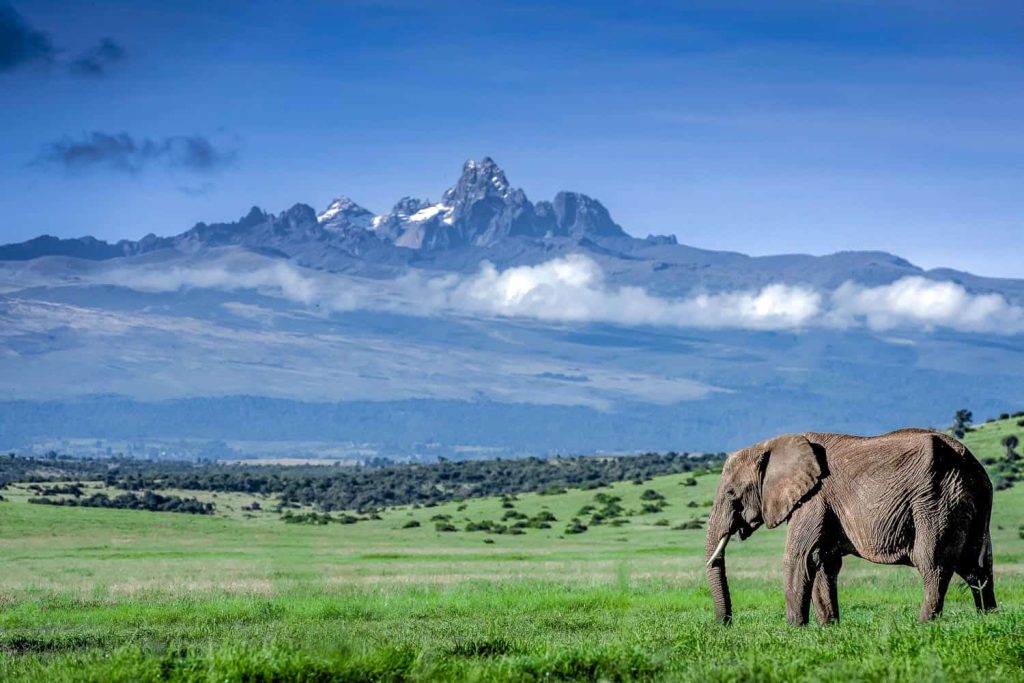
Laikipia is home to some of the rarest and most endangered species in Africa. It is considered the stronghold of the endangered Grevy’s zebra, which is rarer than the black rhino. The region also harbors significant populations of African wild dogs, reticulated giraffes, and elephants. Birdlife flourishes here too, with over 400 recorded species, making it a paradise for birdwatchers.
The Big Five are present as well—lion, leopard, elephant, buffalo, and rhino—though the safari in Laikipia feels less about ticking animals off a checklist and more about appreciating the intricate ecosystem that supports them. Night drives reveal nocturnal wonders such as aardvarks, leopards on the prowl, and the elusive striped hyena. Walking safaris offer yet another perspective, allowing visitors to connect deeply with the land and its stories.
Eco-Lodge Stays: Luxury with a Purpose
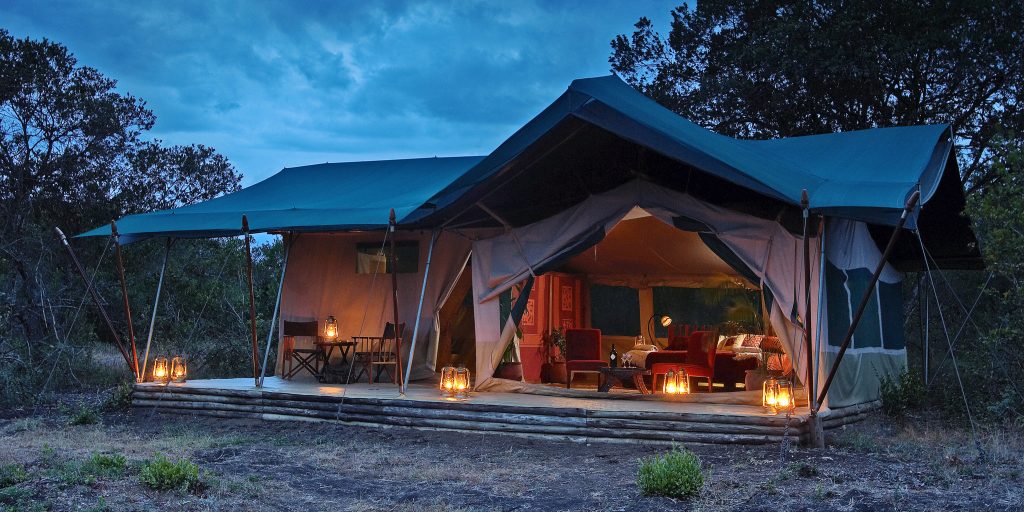
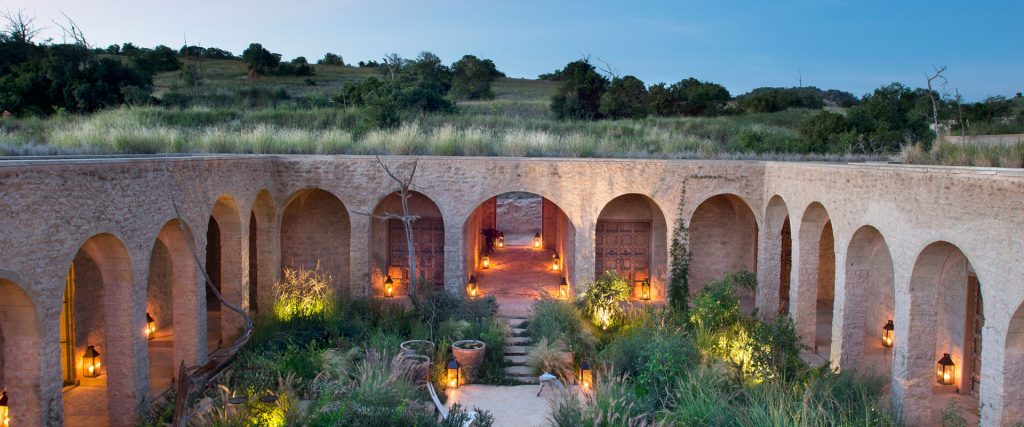
What makes Laikipia’s safari offering even more unique is its collection of eco-lodges and luxury tented camps that prioritize sustainability without compromising comfort. From solar-powered retreats to lodges built with local materials and staffed by local communities, these properties ensure that your stay supports conservation and development.
Some lodges overlook watering holes where elephants gather at dusk, while others offer open skies for stargazing in silence. Exclusive-use villas provide privacy for families and groups, while tented camps immerse guests in the sounds of the wild. The eco-lodge model in Laikipia ensures that every guest leaves not just with memories but also with the knowledge that their presence directly contributes to the preservation of this precious ecosystem.
Community Conservancies: A Model for Africa
At the heart of Laikipia’s success is its community conservancy model. Local communities own and manage much of the land, working with conservation organizations and private operators to protect wildlife while generating income through tourism. This partnership ensures that conservation is not just about wildlife but also about people.
When you stay at a community-owned lodge or pay conservation fees, you are directly supporting schools, healthcare projects, and local employment. This shared responsibility creates a powerful incentive to protect wildlife, as communities see tangible benefits from living alongside elephants, lions, and zebras.
Laikipia has become a model for other regions in Africa, proving that tourism, conservation, and community development can thrive together.
Adventure Beyond Game Drives
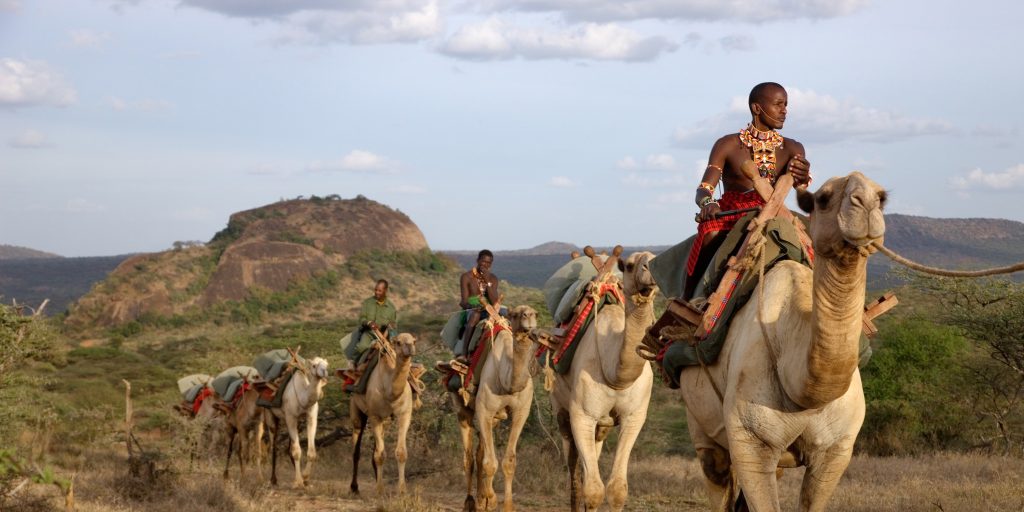
Laikipia isn’t just about traditional safari. Its vast landscapes allow for a variety of activities that go beyond the game drive experience. Travelers can enjoy horseback safaris, camel treks, mountain biking, and even cultural visits to learn from the Samburu and Maasai communities. For those drawn to the stars, Laikipia’s unpolluted skies make it an excellent location for astronomy nights.
Adventure seekers can combine a safari with climbing nearby Mount Kenya or exploring caves and rock formations hidden in the wilderness. This variety makes Laikipia ideal for travelers seeking both relaxation and adrenaline.
Why Laikipia is a Rising Star
Several factors contribute to Laikipia’s growing reputation:
- Exclusivity: Low visitor density means more intimate experiences.
- Conservation Leadership: Community-owned conservancies set global standards.
- Diverse Wildlife: Endangered species and rich biodiversity.
- Eco-Luxury: High-end lodges committed to sustainability.
- Authenticity: A chance to connect with local cultures and traditions.
Unlike mainstream safari hotspots, Laikipia is still relatively undiscovered by mass tourism, giving it a fresh appeal to discerning travelers.
Tourism Impact and Sustainability
Tourism in Laikipia plays a vital role in protecting land that might otherwise be used for agriculture or development. Every lodge, ranger patrol, and community project supported by visitors helps secure habitat for elephants, lions, and other species that need space to roam.
Sustainability here is not just a buzzword—it is woven into the DNA of Laikipia’s tourism. Waste management systems, renewable energy, and water conservation efforts are standard across many properties. Guests are also encouraged to adopt eco-friendly practices, from reducing plastic use to supporting local artisans.
Planning Your Safari to Laikipia
Laikipia is accessible by road from Nairobi, taking around 5–6 hours, or by air via domestic flights into Nanyuki and other airstrips across the region. The best time to visit is during the dry seasons, from June to October and December to March, though wildlife viewing is rewarding year-round.
Travelers are advised to combine Laikipia with other Kenyan highlights, such as the Masai Mara for the Great Migration, Amboseli for views of Mount Kilimanjaro, or the Kenyan coast for relaxation after safari. But increasingly, Laikipia itself is becoming a standalone destination, thanks to its exclusivity and diversity.
The Future of Safari in Laikipia
Laikipia is steadily gaining recognition as Kenya’s hidden gem, a destination that offers everything from luxury escapes to conservation-driven adventures. Its future looks bright as more travelers seek meaningful and sustainable safari experiences. By choosing Laikipia, visitors not only enjoy an unforgettable safari but also contribute to a global movement that values conservation, culture, and community.
Conclusion
Laikipia is Kenya’s rising safari star, a place where wilderness thrives alongside people, and where every safari supports a greater purpose. It is exclusive without being exclusionary, luxurious without losing authenticity, and adventurous without compromising sustainability.
For travelers who crave something different—who want to walk with Samburu warriors, sleep under star-filled skies, and wake up to elephants drinking nearby—Laikipia offers it all. It is not just a safari destination; it is a story of coexistence, resilience, and hope for the future of Africa’s wild places.
Tapmigo Tip: Laikipia is best experienced slowly, allowing time to explore different conservancies and lodges. Each offers its own unique charm, and together they create a mosaic of experiences that will stay with you long after you leave.

