Luxury vs Budget Safari in Kenya: Which One Is Right for You?

Kenya remains one of Africa’s most iconic safari destinations, attracting travelers from across the globe who dream of witnessing lions on the savannah, elephants moving in majestic herds, and endless golden sunsets. From the wildlife-rich plains of the Maasai Mara National Reserve to the elephant-dominated landscapes of Amboseli National Park and the vast wilderness of Tsavo National Park, Kenya delivers unforgettable safari moments.
One of the biggest decisions travelers face when planning this adventure is whether to choose a luxury safari or a budget safari. While both options provide access to the same extraordinary wildlife, the level of comfort, exclusivity, service, and overall experience can differ significantly. Understanding these differences helps you align your safari with your expectations, travel style, and budget.
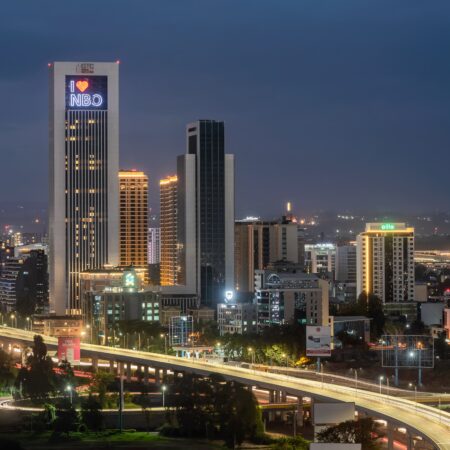
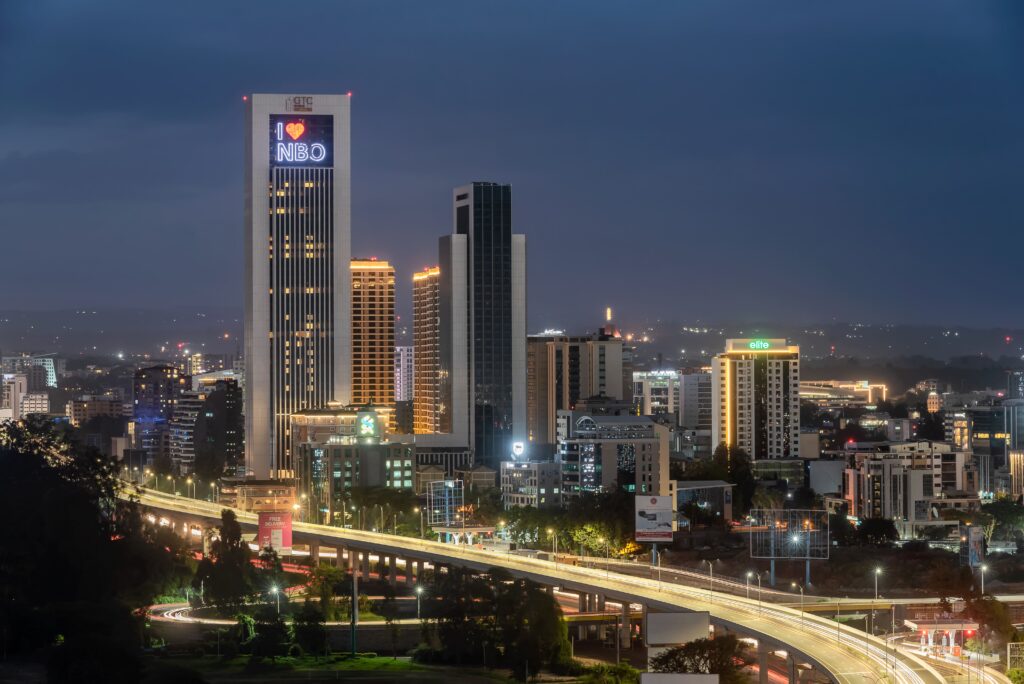
A luxury safari in Kenya is designed around exclusivity, comfort, and seamless service. From the moment you arrive, every detail is carefully curated. Many luxury safaris begin in Nairobi, where travelers often spend a night in high-end hotels such as Hemingways Nairobi, Villa Rosa Kempinski, or Sankara Nairobi. These properties offer spacious suites, refined dining, spa services, and personalized hospitality that set the tone for the adventure ahead.
From Nairobi, luxury travelers typically fly by small aircraft directly into private airstrips within or near the reserves. This eliminates long road journeys and allows more time for game viewing. Upon landing, guests are transferred to exclusive tented camps or lodges such as Angama Mara, Mara Bushtops, Elewana Tortilis Camp, or Finch Hattons. These camps combine the romance of traditional safari tents with five-star comforts, including king-sized beds, elegant bathrooms, private decks, plunge pools, and attentive staff.
Dining on a luxury safari is an experience in itself. Most high-end camps operate on a full-board basis, meaning breakfast, lunch, dinner, and selected drinks are included. Meals are often multi-course, freshly prepared, and served in scenic locations. Imagine a bush breakfast set up in the middle of the savannah after an early morning game drive or a candlelit dinner under the stars with carefully paired wines. Before or after your safari, Nairobi offers excellent restaurants such as Carnivore for its legendary meat experience, Talisman in Karen for international fusion cuisine, and About Thyme for garden-style dining in a relaxed yet refined setting.
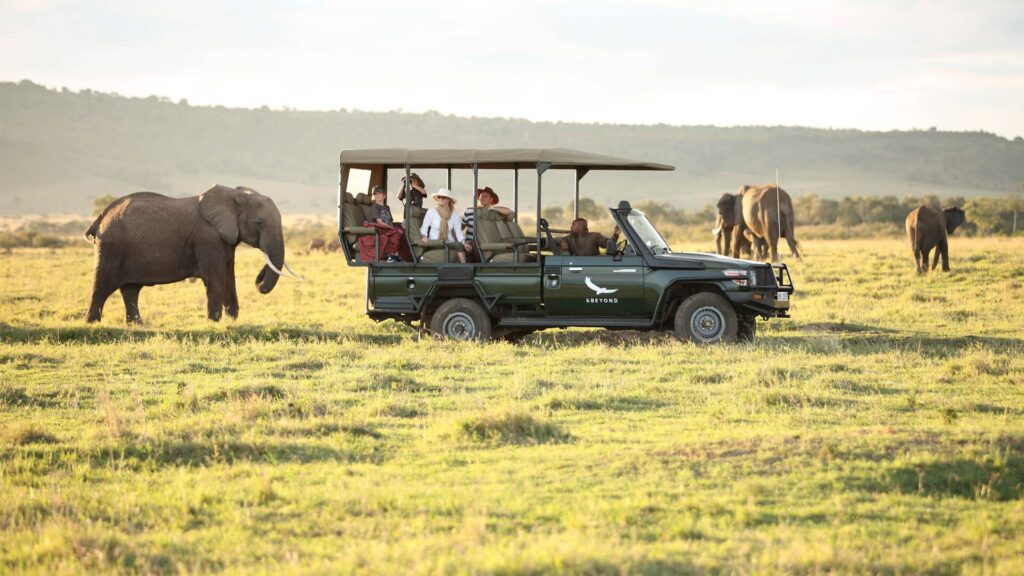
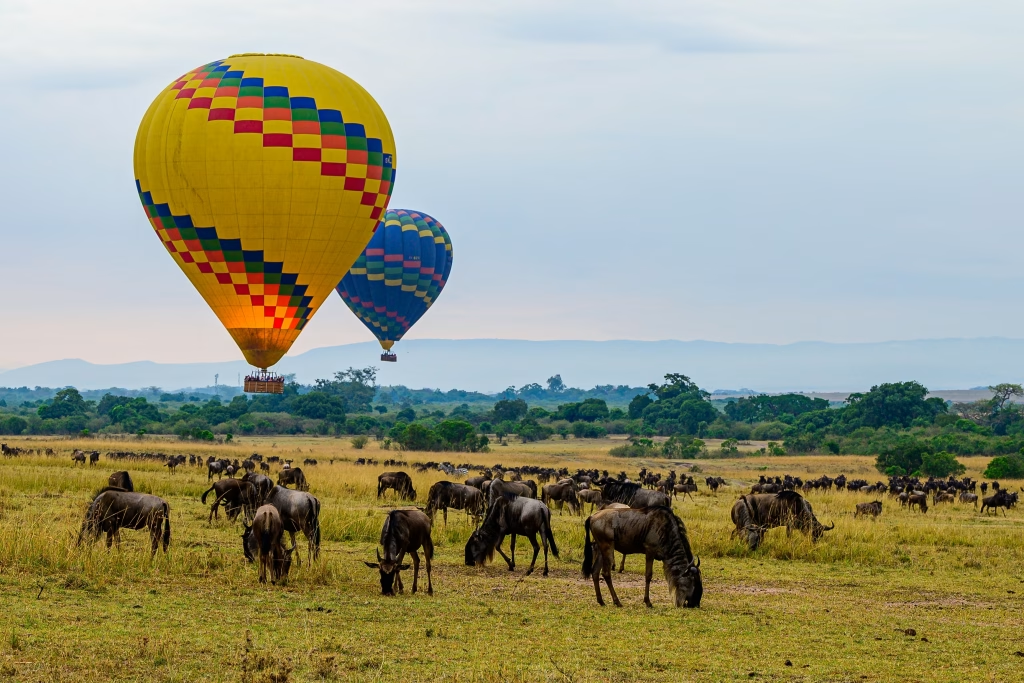
Game drives on a luxury safari are typically conducted in custom-built 4×4 Land Cruisers with guaranteed window seats. Group sizes are small, and some travelers opt for fully private vehicles. In certain conservancies, vehicle numbers are limited, which means wildlife sightings are less crowded and more intimate. Guides are highly experienced, often with years of training in tracking and conservation. Additional activities may include guided bush walks, hot air balloon safaris, cultural visits, and spa treatments at camp.
The cost of a luxury safari reflects this level of service. Depending on the season and exclusivity of the camp, prices range from approximately 600 to over 1500 dollars per person per night. During peak periods such as the Great Migration, rates increase significantly. For honeymooners, anniversary celebrations, or travelers seeking privacy and comfort, the investment often feels worthwhile.
On the other end of the spectrum, a budget safari makes the magic of Kenya accessible to a wider range of travelers. While the experience may be less exclusive, the core element remains the same: incredible wildlife in breathtaking landscapes. Budget safaris often involve road transfers from Nairobi to the parks, which can take several hours but also provide a glimpse into Kenya’s countryside and local life.
Accommodation on a budget safari typically includes comfortable lodges or tented camps such as Enchoro Wildlife Camp near the Maasai Mara, AA Amboseli Lodge, or Voi Wildlife Lodge near Tsavo. Rooms are generally simple but clean, with private bathrooms, mosquito nets, and essential amenities. Meals are usually served buffet style and feature a mix of Kenyan and international dishes, including rice, stews, grilled meats, vegetables, chapati, and fresh fruit.
While dining is less elaborate than in luxury camps, it remains satisfying and filling after long game drives. In towns near the reserves, local restaurants offer authentic Kenyan cuisine at affordable prices. Travelers can enjoy nyama choma, ugali, sukuma wiki, and other local favorites, adding a cultural dimension to the safari experience. Back in Nairobi, numerous casual restaurants and cafés provide budget-friendly dining options in areas such as Westlands and Karen.
Game drives on budget safaris are usually conducted in shared safari vans or Land Cruisers. Group sizes are larger, and itineraries are fixed. Although you may share sightings with several other vehicles, the thrill of watching a pride of lions or a herd of elephants up close remains just as powerful. The guides are knowledgeable and committed to ensuring guests see as much wildlife as possible within the scheduled time.
Budget safaris typically cost between 150 and 350 dollars per person per night, depending on accommodation level and season. Groups joining safaris can reduce costs further, making them especially attractive to students, solo travelers, and backpackers. For many visitors, the opportunity to experience Kenya’s wildlife at a manageable cost outweighs the lack of luxury amenities.
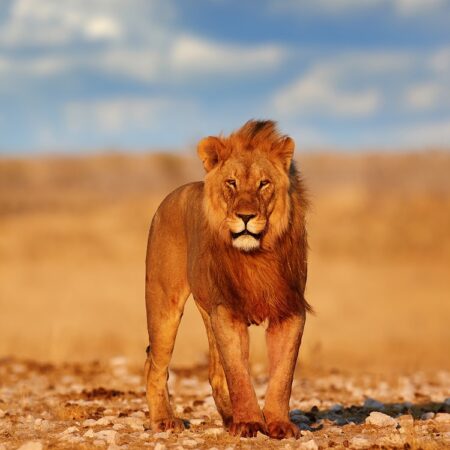
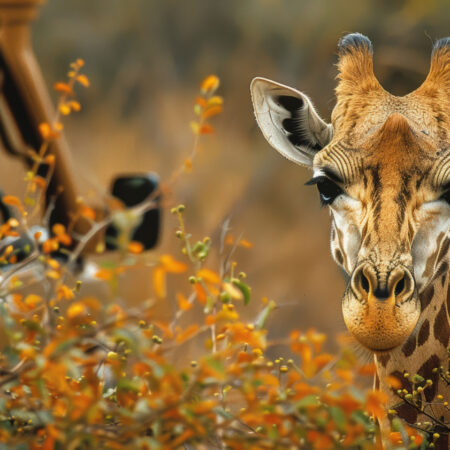
When comparing luxury and budget safaris, the wildlife itself does not change. Lions still hunt at dawn, elephants still roam beneath the shadow of Mount Kilimanjaro as seen from Amboseli, and giraffes still move gracefully across the plains. The primary differences lie in comfort, privacy, transport, dining, and flexibility.
Luxury safaris offer convenience through air transfers, personalized schedules, and exclusive conservancies. Budget safaris emphasize affordability and shared adventure. Both provide access to Kenya’s renowned national parks and reserves, and both create lifelong memories.
Choosing between the two depends on your priorities. If you value privacy, fine dining, spacious accommodations, and tailored experiences, luxury may be the ideal fit. It is particularly appealing for special occasions or travelers who prefer seamless logistics. If your main goal is to see wildlife and immerse yourself in nature without stretching your finances, a budget safari offers tremendous value. It allows you to extend your stay or combine multiple parks while keeping costs manageable.
Seasonality also plays an important role in planning. High season, particularly during the Great Migration months, brings higher prices and greater demand for both luxury and budget options. Booking well in advance is essential. During the low season, travelers may find discounted rates, fewer crowds, and excellent wildlife viewing, especially in parks like Tsavo that are less congested year-round.
Final Thoughts for the Traveler
A safari in Kenya is not defined solely by the softness of your bed or the exclusivity of your camp. It is defined by the early morning light stretching across the savannah, the distant roar of a lion, and the stillness that comes as you watch wildlife in its natural habitat. Whether you choose luxury or budget, you are stepping into one of the world’s most extraordinary natural theaters.
Luxury enhances comfort and privacy, transforming your safari into a refined escape. Budget travel emphasizes accessibility and shared discovery, proving that adventure does not require extravagance. Both paths lead to the same breathtaking encounters with nature.
For Tapmigo readers planning their Kenyan adventure, the best safari is the one that aligns with your expectations, timeline, and resources. Define what matters most to you—comfort, exclusivity, affordability, or extended exploration and build your itinerary around that vision. Kenya will deliver unforgettable memories either way.