Top 10 African Dishes You Must Try (and Where to Find Them)
Africa is a continent rich in culture, tradition, and flavors that span thousands of years and diverse regions. From North to South, East to West, African cuisine tells a story—one steeped in history, spices, and communal celebration. Whether you’re planning a culinary adventure or just curious to know what makes African food so special, here are the top 10 African dishes you must try and the best places to enjoy them.
1. Jollof Rice—West Africa (Nigeria, Ghana, Senegal)
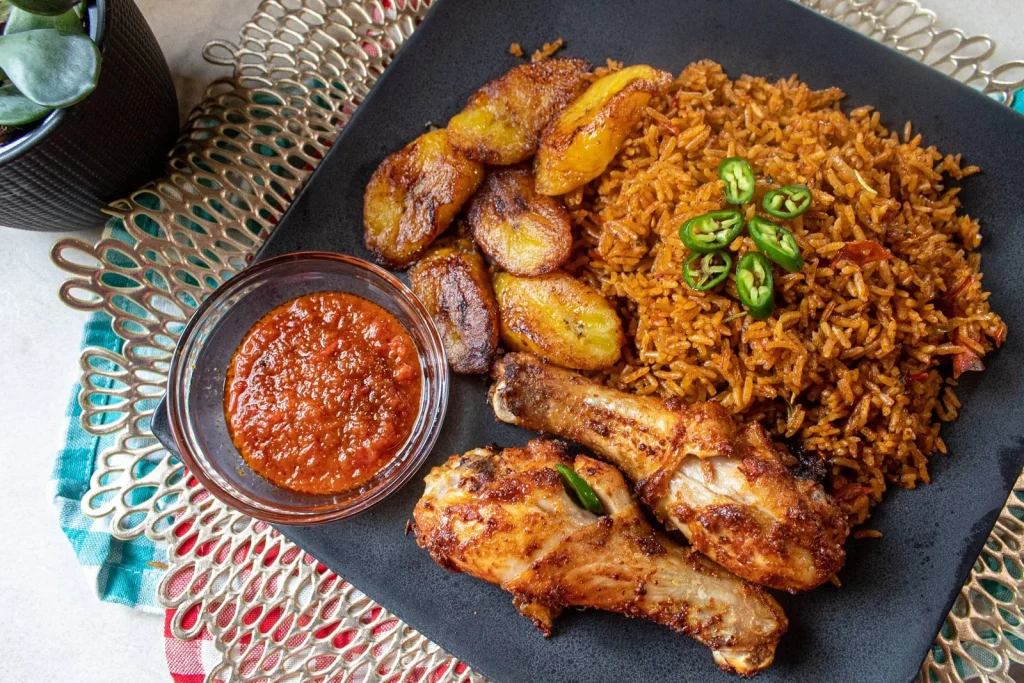
Jollof rice is a vibrant, spicy, tomato-based rice dish beloved across West Africa. Though Nigeria and Ghana often debate who makes it best, its core ingredients remain similar: long-grain parboiled rice, tomato paste, onions, bell peppers, chili, and aromatic spices like thyme and bay leaf. Some versions include vegetables, fried plantains, or proteins like beef, chicken, or fish.
You’ll find the most competitive versions in Lagos, Nigeria, and Accra, Ghana, where local chefs take pride in perfecting the “party jollof” version, cooked over firewood. Street vendors and upscale restaurants alike serve it with a side of spicy fried meat or grilled chicken.
Jollof rice has become symbolic of West African unity, yet also a fun culinary rivalry. If you find yourself at a West African party, make sure to serve yourself a generous portion.
2. Injera with Doro Wat—Ethiopia
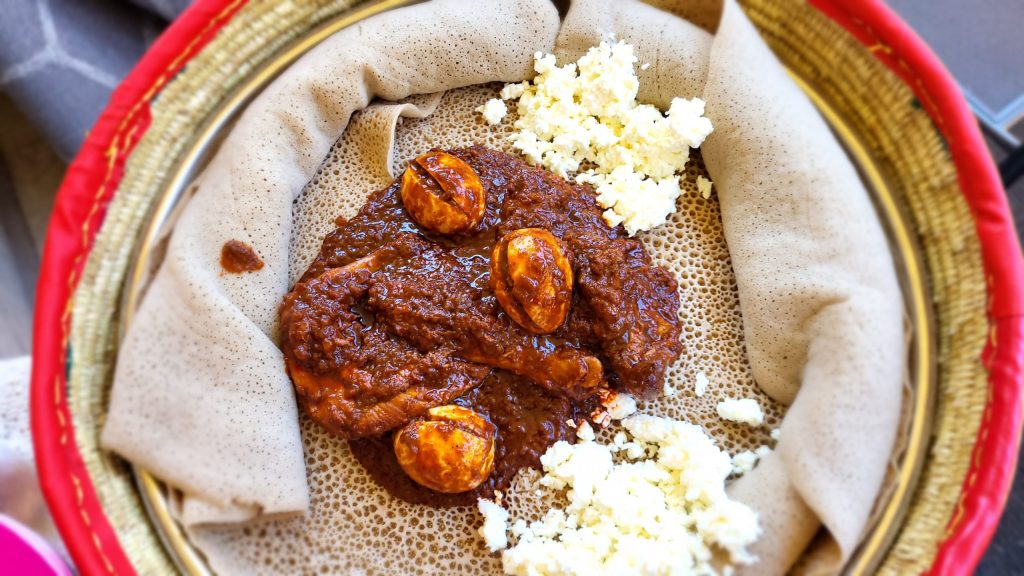
Injera is more than food; it’s part of Ethiopian identity. Made from teff flour, this spongy sour flatbread serves both as a dish and an eating utensil. It is traditionally served with various stews, but the most famous is Doro Wat—a spicy chicken stew cooked with berbere spice, onions, garlic, and boiled eggs.
You’ll enjoy the most authentic versions of this dish in Addis Ababa. However, Ethiopian restaurants around the world, especially in cities like Washington, D.C., and London, offer faithful reproductions. Meals are communal, eaten with hands, and ideal for sharing.
The deep flavor profile of Doro Wat mixed with the slightly tangy Injera offers a taste of Ethiopia’s ancient culinary history.
3. Bunny Chow—South Africa
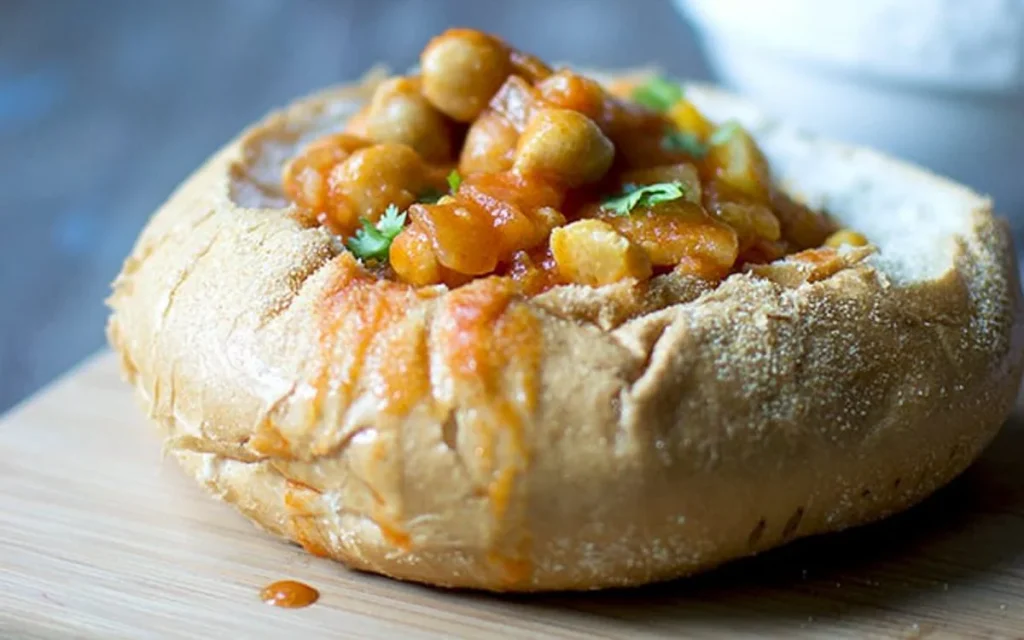
Originally developed in Durban by the Indian community, bunny chow is a uniquely South African fast-food dish. It consists of a hollowed-out loaf of white bread filled with spicy curry. Lamb, chicken, or vegetarian beans are popular fillings. Despite its quirky name, there is no rabbit involved.
Durban remains the best place to experience bunny chow, particularly in the Indian Quarter. Local eateries serve it wrapped in wax paper, and it’s eaten without cutlery. The thick curry soaks into the bread, making every bite flavorful.
Bunny chow represents South Africa’s multicultural blend of Indian and Zulu flavors. Its affordability and rich taste have made it a beloved street food staple.
4. Couscous—Morocco
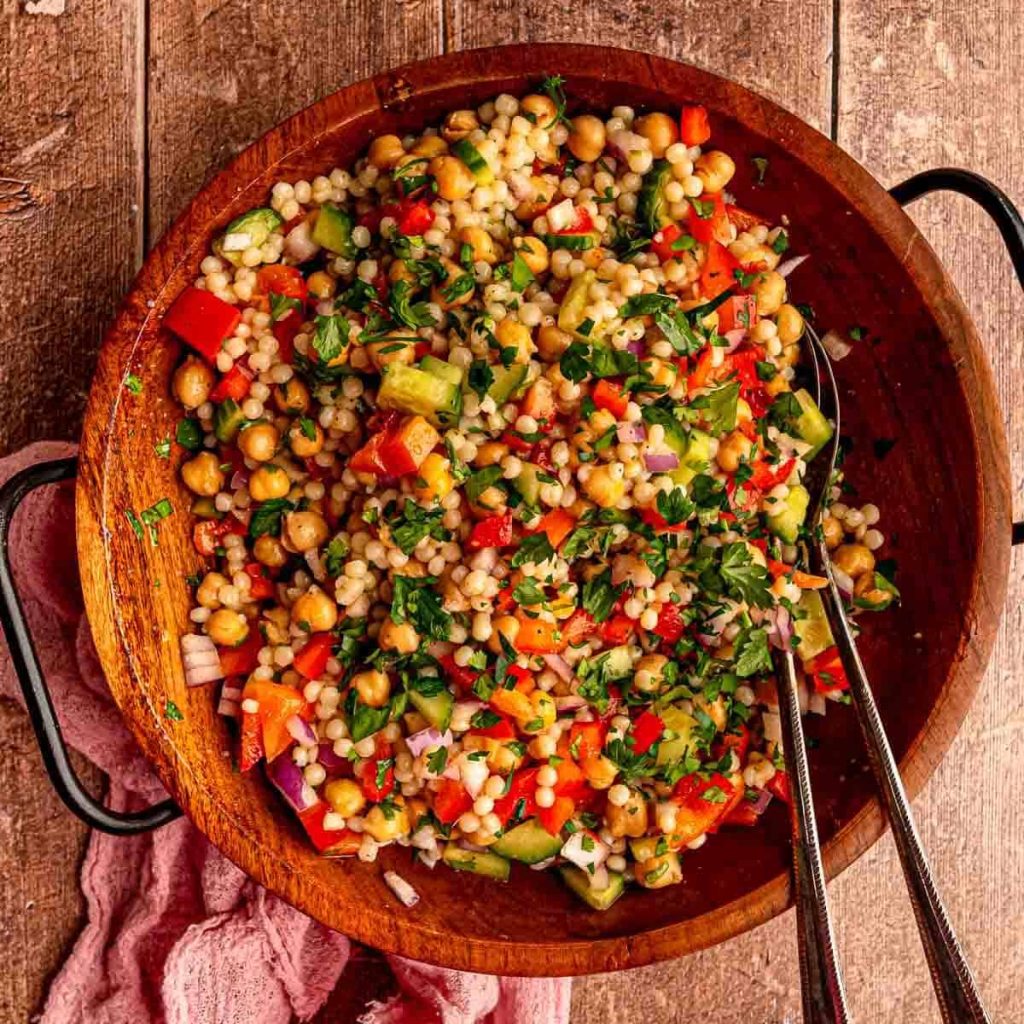
Often considered Morocco’s national dish, couscous is a delicate steamed semolina grain served with slow-cooked vegetables and meat, usually lamb or chicken. Aromatic spices such as saffron, cinnamon, and cumin enrich the dish, often accompanied by chickpeas and sweet raisins.
The city of Fes offers a traditional setting to enjoy authentic couscous, particularly on Fridays when Moroccan families often prepare it at home. Local restaurants and riads offer versions with lamb shank, roasted vegetables, and flavorful broth poured over the dish.
Couscous showcases Morocco’s intricate culinary heritage, blending Arab, Berber, and Mediterranean influences in a wholesome, comforting meal.
5. Suya—Nigeria
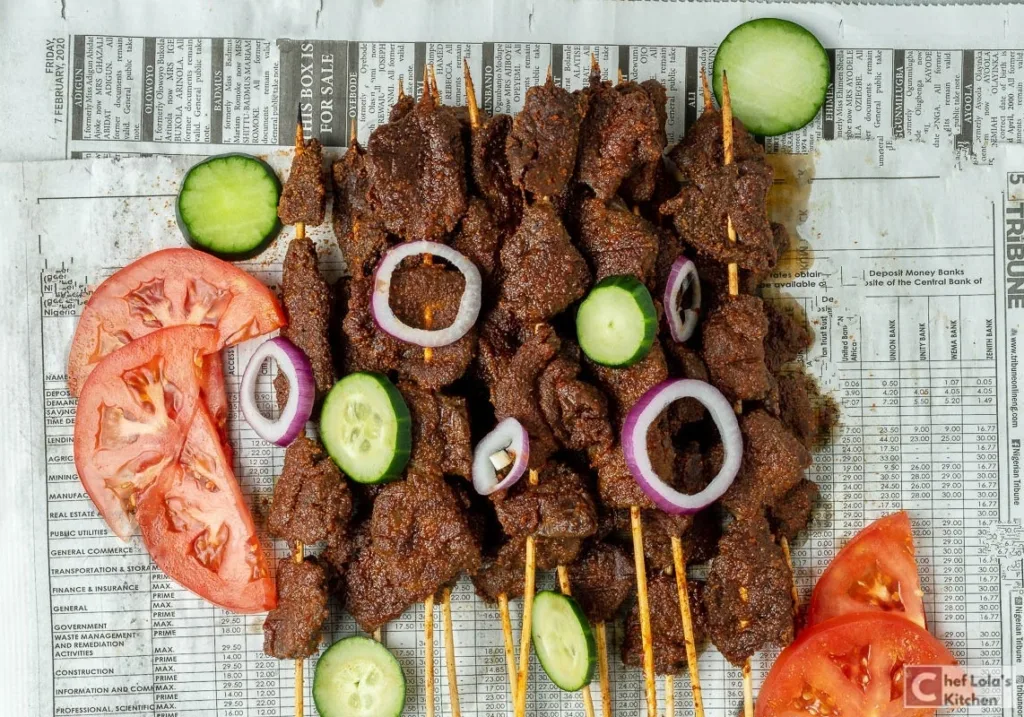
Suya is Nigeria’s most popular street food—thin slices of beef or chicken marinated in a dry rub of ground peanuts, cayenne pepper, paprika, and ginger, then skewered and grilled. It’s served with raw onions, tomatoes, and spicy pepper sauce.
Abuja and Lagos are top destinations for suya lovers. Small roadside kiosks known as suya spots serve it hot off the grill in newspaper wraps. The meat is crispy on the outside, juicy on the inside, and full of bold flavor.
Suya reflects the influence of Northern Nigeria’s Hausa people and is a must-try if you’re craving grilled meat with a spicy twist.
6. Nyama Choma – Kenya
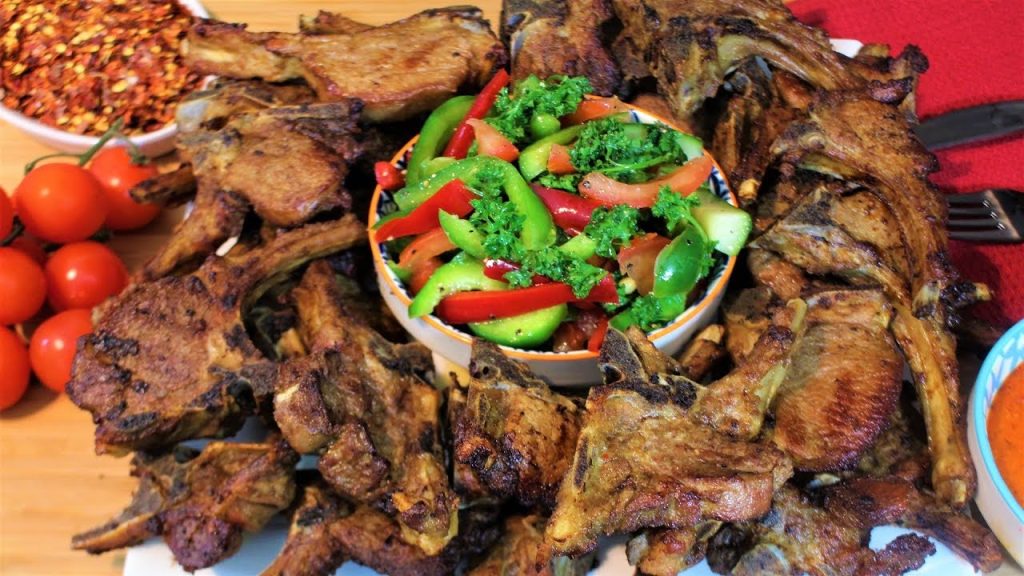
Translated as “roasted meat,” Nyama Choma is a Kenyan staple, especially among the Kikuyu community. Goat meat is the preferred choice, though beef and chicken are also common. The meat is seasoned lightly and slow-roasted over open flames.
In Nairobi, Carnivore Restaurant is famous for offering an extensive Nyama Choma experience. Alternatively, smaller local joints known as “nyama choma bases” serve it with kachumbari—a tomato and onion salad—and ugali, a maize flour porridge.
Nyama Choma is more than food; it’s a social affair, bringing people together over laughter, drinks, and hearty conversation.
7. Shakshuka—Tunisia
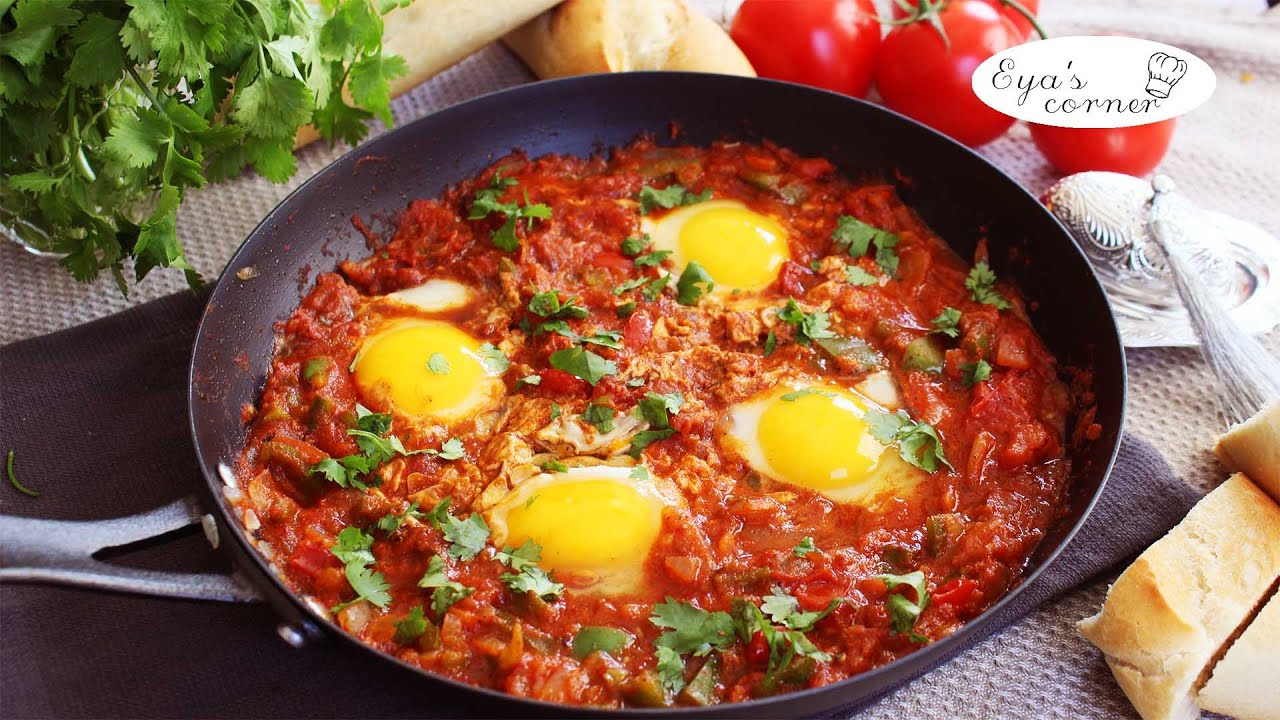
Shakshuka, originally from Tunisia, is a dish of poached eggs in a sauce of tomatoes, chili peppers, garlic, and spices such as cumin and paprika. It’s often eaten for breakfast or brunch, served with bread for dipping.
While its popularity has spread to the Middle East and North Africa, the most authentic version can still be found in Tunis. There, it may include additions like merguez sausage or fava beans.
Shakshuka’s simple ingredients come together to create a rich, savory dish that speaks to North Africa’s spice-laden cuisine and colonial history.
8. Thieboudienne – Senegal
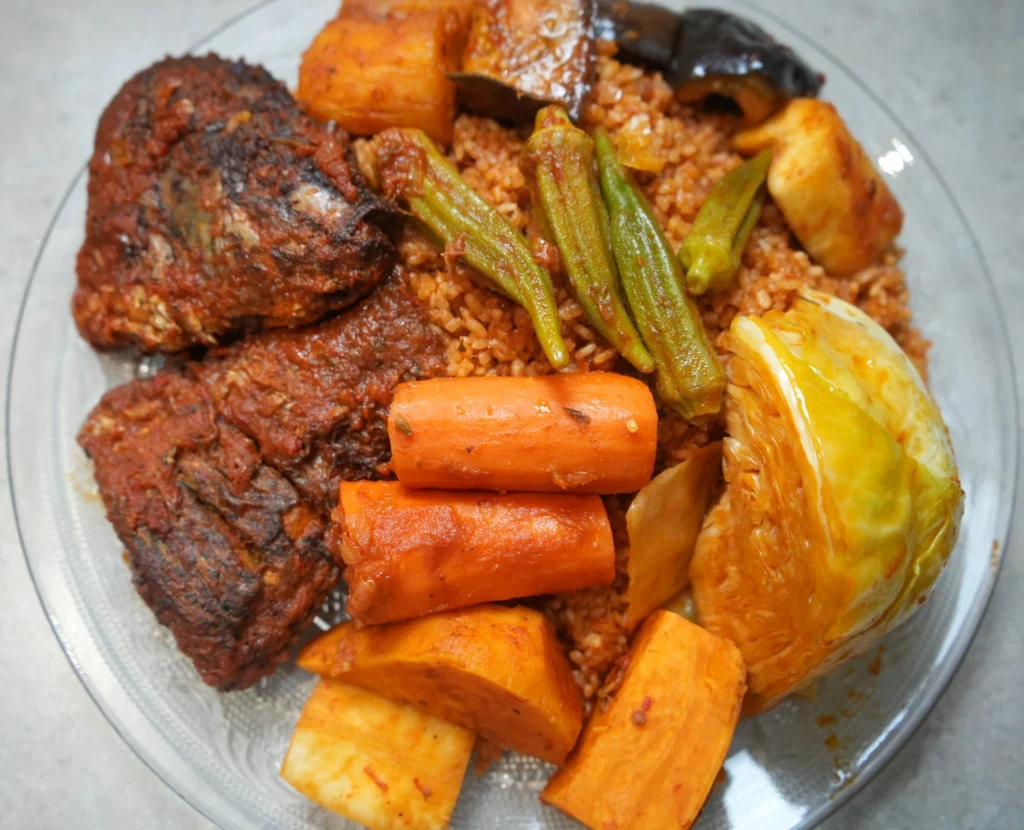
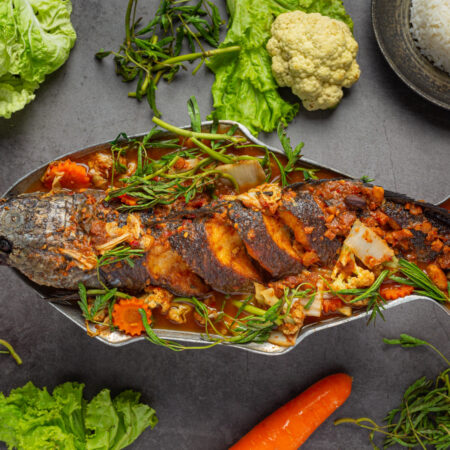
Known as the national dish of Senegal, Thieboudienne (pronounced “cheb-o-jen”) is a colorful plate of fish, rice, and vegetables. It’s cooked in one pot using broken rice, tomato paste, and a blend of carrots, cabbage, cassava, and eggplant.
In Dakar, you’ll find home-cooked Thieboudienne in both restaurants and local homes. It’s a hearty meal best enjoyed with company, often eaten with hands from a communal bowl.
This dish highlights Senegal’s fishing culture and showcases how simple ingredients can yield complex flavors through thoughtful preparation.
9. Matoke – Uganda
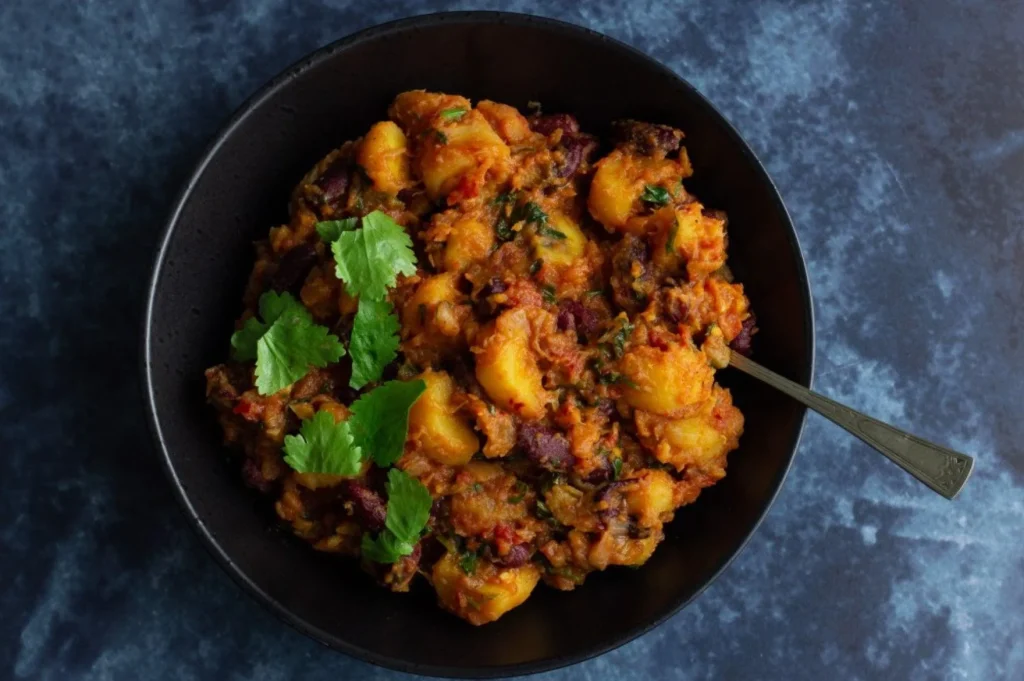
Matoke is a dish made from green bananas (also called plantains) that are peeled, steamed, and then mashed. The bananas are usually cooked with onions, tomatoes, garlic, and sometimes meat or peanut sauce.
In Kampala, matoke is commonly served in homes and restaurants as a staple part of the diet. The dish is both filling and nutritious, often paired with beef stew or groundnut sauce.
Matoke reflects Uganda’s agricultural abundance and has become a symbol of its culinary identity.
10. Bobotie—South Africa
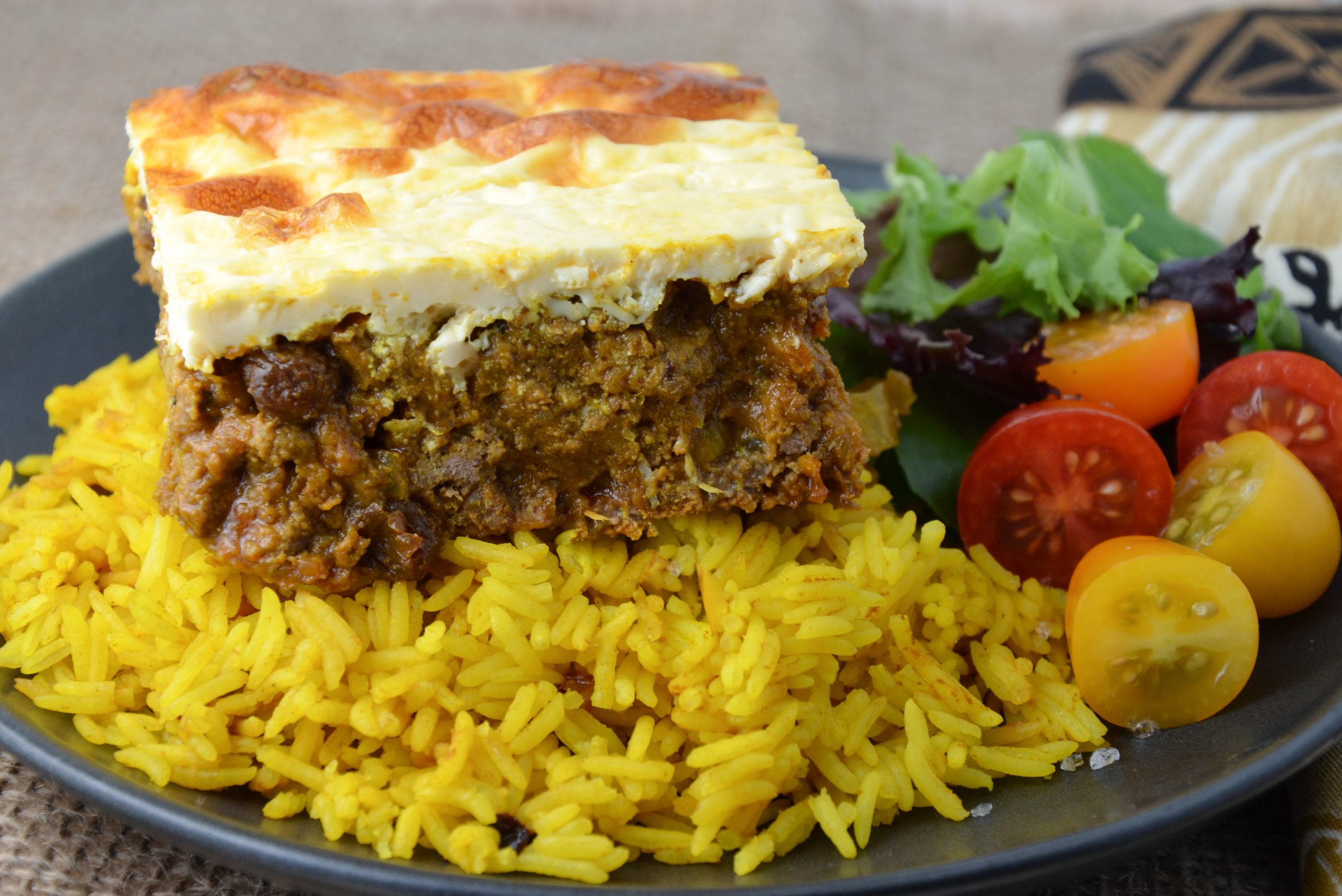
Bobotie is a Cape Malay dish that blends sweet and savory flavors. Ground beef is cooked with spices like turmeric and curry powder, mixed with dried fruits like raisins, and baked with an egg custard topping. It’s often served with yellow rice and chutney.
Cape Town is the best place to sample authentic bobotie. Many family-owned restaurants and heritage sites offer the dish, which embodies the influence of Dutch and Indonesian settlers in South Africa.
Bobotie tells a story of migration and adaptation, combining diverse influences into one harmonious and comforting meal.
From stews and grilled meats to spice-laden grains and breads, African cuisine is an immersive journey into tradition, innovation, and flavor. Whether you’re exploring the continent or seeking out African restaurants abroad, these ten dishes provide the perfect introduction to the continent’s rich culinary heritage.


Top 10 Facts About Africa
Hello August! Explore Africa with a New Vibe