


When travelers think of world-class cities, names like Paris, New York, Tokyo, and Dubai often dominate the conversation. Yet Africa, with its rich history, vibrant culture, and rapidly growing urban centers, has cities that can easily compete with — and sometimes even surpass — these global icons. From bustling coastal metropolises to cultural capitals brimming with tradition and modernity, Africa offers destinations that surprise and inspire visitors. Each city has its own rhythm: some dazzle with nightlife and modern skyscrapers, while others enchant with heritage, art, and culinary scenes. This list of Top 10 African cities to explore highlights why the continent’s urban gems deserve a seat at the global travel table.
1. Cape Town, South Africa
Cape Town is often described as the most beautiful city in Africa, and it’s easy to see why. Nestled between the dramatic backdrop of Table Mountain and the sparkling waters of the Atlantic Ocean, Cape Town offers a rare combination of natural beauty and cosmopolitan lifestyle. Visitors can ride the cable car to the top of Table Mountain for panoramic views, explore the Cape Winelands for world-class wines, or take a short drive to the Cape of Good Hope. Beyond nature, Cape Town’s V&A Waterfront blends shopping, dining, and entertainment in a lively harbor setting that rivals waterfronts in Sydney or Barcelona. The city’s neighborhoods, like Bo-Kaap with its colorful houses and rich Cape Malay culture, add another layer of charm. With a vibrant food scene, rich history, including Robben Island, and outdoor adventures, Cape Town competes directly with the likes of Rio de Janeiro and San Francisco as a must-visit global city.

2. Marrakech, Morocco
A sensory explosion awaits in Marrakech, one of Africa’s most iconic cities. Known as the “Red City” for its distinctive terracotta buildings, Marrakech has long captivated travelers with its blend of tradition and modernity. At the heart of the city is Jemaa el-Fnaa Square, a bustling marketplace alive with snake charmers, storytellers, and food stalls. The nearby souks offer endless treasures — from spices and leather goods to intricate lanterns and carpets. Beyond the old medina, visitors can explore stunning palaces like Bahia Palace and gardens such as Jardin Majorelle, once owned by Yves Saint Laurent. Luxury hotels and riads provide world-class accommodation experiences, while rooftop cafes and hammams showcase Moroccan hospitality at its finest. Marrakech competes with global cultural capitals like Istanbul or Cairo, offering a uniquely immersive experience where history, artistry, and everyday life blend seamlessly. It’s a city that lingers in the memory long after you’ve left.

3. Nairobi, Kenya
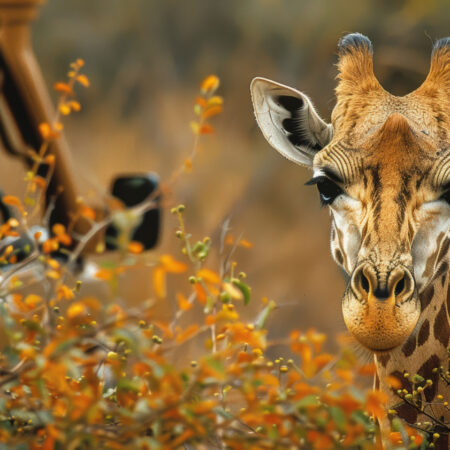
Nairobi is a city that effortlessly blends the urban hustle with wildlife encounters like no other. Known as the only capital city in the world with a national park at its doorstep, Nairobi offers visitors the chance to see lions, giraffes, and rhinos just minutes away from skyscrapers and busy streets. The city itself is alive with culture, history, and modern experiences. The Nairobi National Museum provides a fascinating look into Kenya’s heritage, while the Karen Blixen Museum connects visitors to the country’s colonial history and the famous “Out of Africa” story. Nairobi is also a hub for modern African creativity, with an emerging art and music scene that rivals parts of Johannesburg or Lagos. From world-class restaurants serving international and local cuisines to vibrant nightlife in Westlands, Nairobi proves itself a contender among global urban centers. Its combination of nature, culture, and innovation makes it one of Africa’s most exciting cities.

4. Lagos, Nigeria
Lagos is not just a city — it’s a powerhouse of energy and creativity. Africa’s largest city by population, Lagos is often compared to New York for its pace, ambition, and cultural dynamism. The city is Nigeria’s economic hub, but beyond business, it’s a melting pot of art, fashion, and entertainment. Lagos is home to the thriving Afrobeats music scene, which has propelled Nigerian artists to global fame, making it a cultural capital for the continent. The city also offers stunning beaches like Tarkwa Bay and vibrant markets such as Balogun and Lekki. Art lovers can explore galleries like Nike Art Gallery, one of the largest in West Africa. Despite its urban sprawl and notorious traffic, Lagos has a magnetic energy, leaving visitors both exhausted and exhilarated. It competes with cities like São Paulo or Mumbai in terms of sheer scale and creativity, proving Africa’s urban influence is truly global.

5. Cairo, Egypt
Cairo is a city where ancient history and modern life collide in fascinating ways. As one of the world’s oldest capitals, Cairo is synonymous with the Pyramids of Giza and the Sphinx, landmarks that place it firmly on every traveler’s bucket list. Yet Cairo is more than just its ancient treasures. The city buzzes with life along the Nile River, where dinner cruises showcase Egypt’s culinary and musical traditions. Islamic Cairo, with its centuries-old mosques and bustling Khan el-Khalili bazaar, immerses visitors in a cultural and spiritual journey. At the same time, modern districts feature luxury hotels, shopping malls, and vibrant nightlife. Cairo competes directly with other global historical cities such as Rome, Athens, and Istanbul, offering travelers a unique blend of antiquity and modernity. For anyone interested in world history and living culture, Cairo is one of Africa’s and the world’s greatest cities to explore.

6. Dakar, Senegal
Dakar sits proudly on the westernmost point of Africa, and its cultural influence is felt across the continent. The city thrives as a hub of music, fashion, and art, with traditions deeply rooted in Senegal’s heritage. Dakar’s lively markets, like Marché Sandaga, showcase textiles, jewelry, and handcrafted items, while the African Renaissance Monument towers as a modern symbol of pride and resilience. The city’s beaches, including Ngor and Yoff, offer escapes for surfers and sun-seekers, blending relaxation with vibrant local culture. Dakar is also famous for its music — the birthplace of mbalax, a sound that has influenced global artists. Visitors can take a ferry to Gorée Island, a UNESCO World Heritage Site that tells powerful stories of the transatlantic slave trade. Dakar competes with global creative cities such as Havana or Rio de Janeiro, standing tall as one of Africa’s most dynamic and soulful destinations.

7. Addis Ababa, Ethiopia
Addis Ababa, often called the “political capital of Africa,” is home to the African Union headquarters, making it a city of continental importance. But beyond politics, Addis is a vibrant cultural and historical hub. Visitors can explore the National Museum of Ethiopia, where the fossilized remains of “Lucy,” one of humanity’s earliest ancestors, are displayed. The city also boasts stunning Orthodox churches, lively open-air markets like Merkato, and a growing café culture that celebrates Ethiopia’s coffee heritage. Addis is also a gateway to Ethiopia’s diverse regions, from the rock-hewn churches of Lalibela to the breathtaking Simien Mountains. As a city, Addis combines ancient traditions with a fast-growing modern skyline, competing with global capitals such as Geneva or Brussels in its diplomatic significance. For travelers seeking both history and contemporary African culture, Addis Ababa is an essential stop.

8. Accra, Ghana
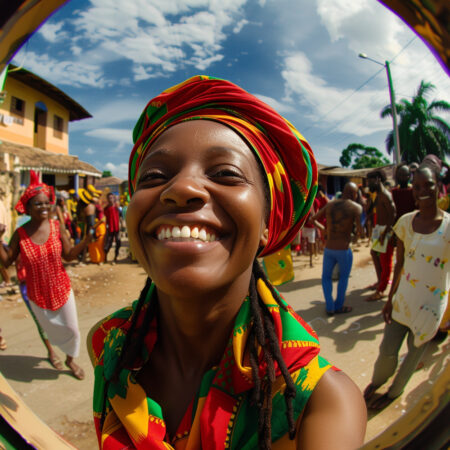
Accra is one of Africa’s most welcoming cities, known for its warmth, hospitality, and lively spirit. It’s a place where modern skyscrapers sit alongside colonial architecture and vibrant markets. The city’s cultural scene is thriving, with art galleries, music venues, and theaters showcasing Ghanaian creativity. Accra’s nightlife is also legendary, with beach clubs and rooftop lounges offering world-class entertainment. For history lovers, sites like the Kwame Nkrumah Mausoleum and W.E.B. Du Bois Center highlight Ghana’s role in Pan-Africanism and independence movements. Labadi Beach offers a mix of relaxation and local entertainment, where drumming and dancing are part of the experience. In many ways, Accra mirrors global seaside cities like Miami or Rio, combining leisure with culture. With its growing reputation as a hub for “Year of Return” tourism, Accra is proving that it can attract and impress visitors from across the world.

9. Casablanca, Morocco
Often overshadowed by Marrakech, Casablanca is a city that blends Morocco’s history with modern urban life. It is home to the Hassan II Mosque, one of the largest and most stunning mosques in the world, with its intricate designs and dramatic seaside location. Casablanca is also Morocco’s economic capital, with modern skyscrapers, shopping malls, and a thriving business scene. Visitors can stroll through the Corniche, where beaches, cafes, and restaurants line the Atlantic coast, or explore the city’s art deco architecture, a legacy of French colonial influence. Unlike some other Moroccan cities that lean heavily into tourism, Casablanca offers a more authentic urban experience where modernity and tradition coexist. In this sense, it competes with global port cities like Barcelona or Marseille. For travelers seeking a Moroccan city with both cultural depth and cosmopolitan flair, Casablanca is a perfect choice.

10. Victoria Falls Town, Zimbabwe/Zambia
Though smaller than the megacities of Africa, Victoria Falls Town makes the list for its unique combination of natural wonder and urban hospitality. Located at the edge of the legendary Victoria Falls — one of the Seven Natural Wonders of the World — the town is both a gateway to adventure and a destination in its own right. Visitors can explore local markets, sample Zimbabwean cuisine, and enjoy the vibrant nightlife that caters to both locals and international tourists. Adventure activities like bungee jumping, white-water rafting, and helicopter rides over the falls add a thrill unmatched in most global cities. Despite its size, Victoria Falls Town competes with famous adventure hubs like Queenstown in New Zealand or Interlaken in Switzerland. It’s a reminder that sometimes the greatest cities to explore aren’t defined by skyscrapers but by the natural wonders they embrace.

Conclusion
Africa’s cities are as diverse as the continent itself. From the energy of Lagos to the elegance of Cape Town, and from the cultural immersion of Marrakech to the diplomacy of Addis Ababa, these urban centers are more than just African destinations — they are global contenders. Whether you’re drawn by history, art, adventure, or nightlife, Africa offers cities that rival the world’s greatest. The next time you think of international travel, remember that Africa is not just keeping up with global urban culture — it’s redefining it.



No Comment! Be the first one.