Madagascar, the world’s fourth-largest island, is a destination of pure wonder. Known for its rare wildlife, lush rainforests, pristine beaches, and unique culture, this island nation offers travelers a truly once-in-a-lifetime experience. Beyond its famous lemurs, Madagascar is home to breathtaking landscapes, traditions, and natural marvels that you won’t find anywhere else on Earth. Here are the top 10 things to do in Madagascar to make your trip unforgettable.
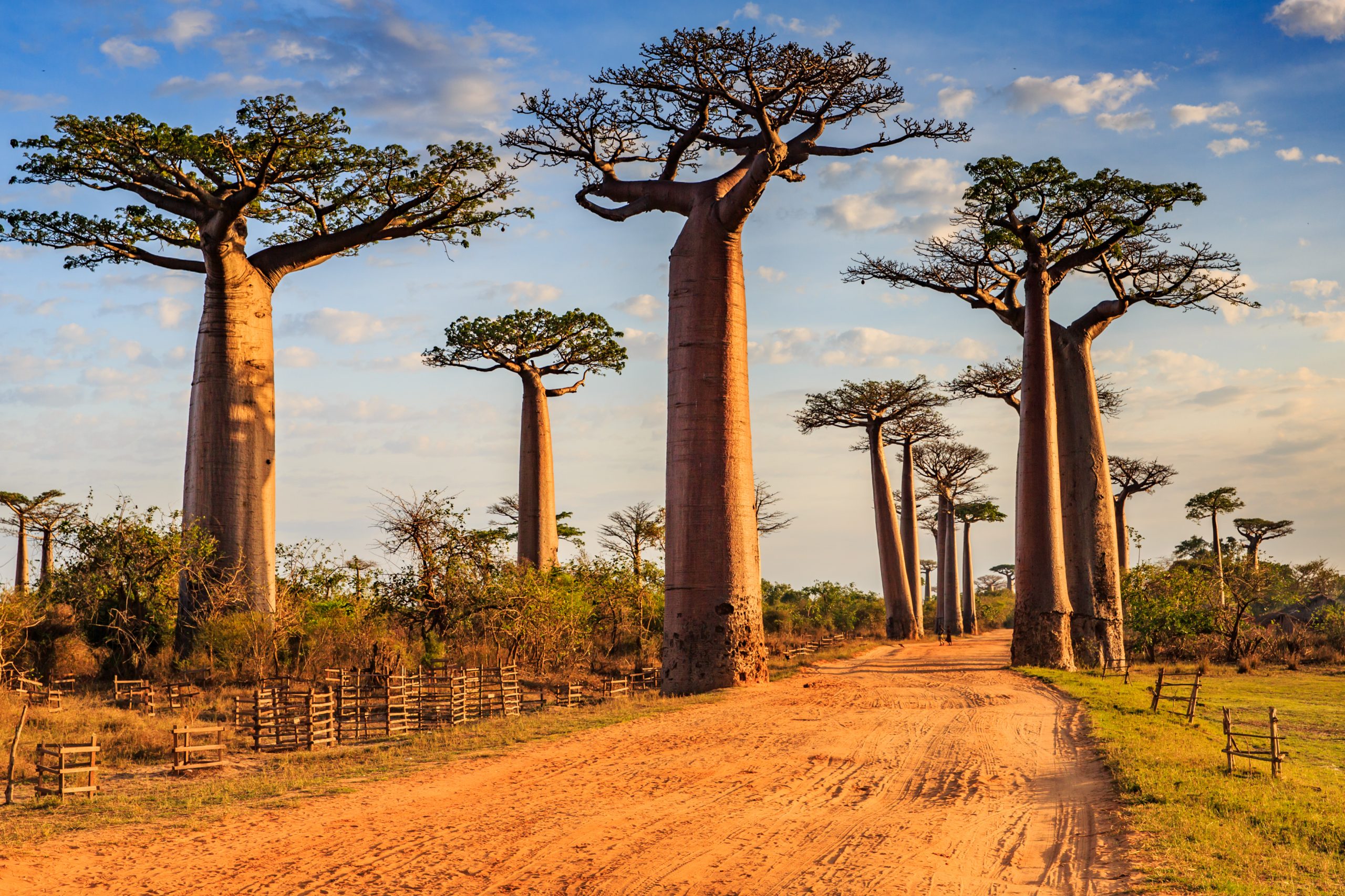
1. Explore Avenue of the Baobabs
The Avenue of the Baobabs is one of Madagascar’s most iconic landmarks. This stretch of giant, centuries-old baobab trees near Morondava is often called the “African version of a cathedral.” At sunrise and sunset, the trees cast dramatic shadows that make the scenery truly magical and perfect for photography. Walking through this natural wonder feels like stepping into a different world. These baobabs, some over 800 years old, hold deep cultural significance for locals and are nicknamed “roots of the sky.” Beyond their striking beauty, the surrounding area is filled with small villages where visitors can engage with local communities. The Avenue is not just a place for pictures but also a chance to learn about the conservation efforts in place to protect Madagascar’s unique ecosystems. A guided visit ensures you get both the cultural and ecological perspectives that make this site unforgettable.
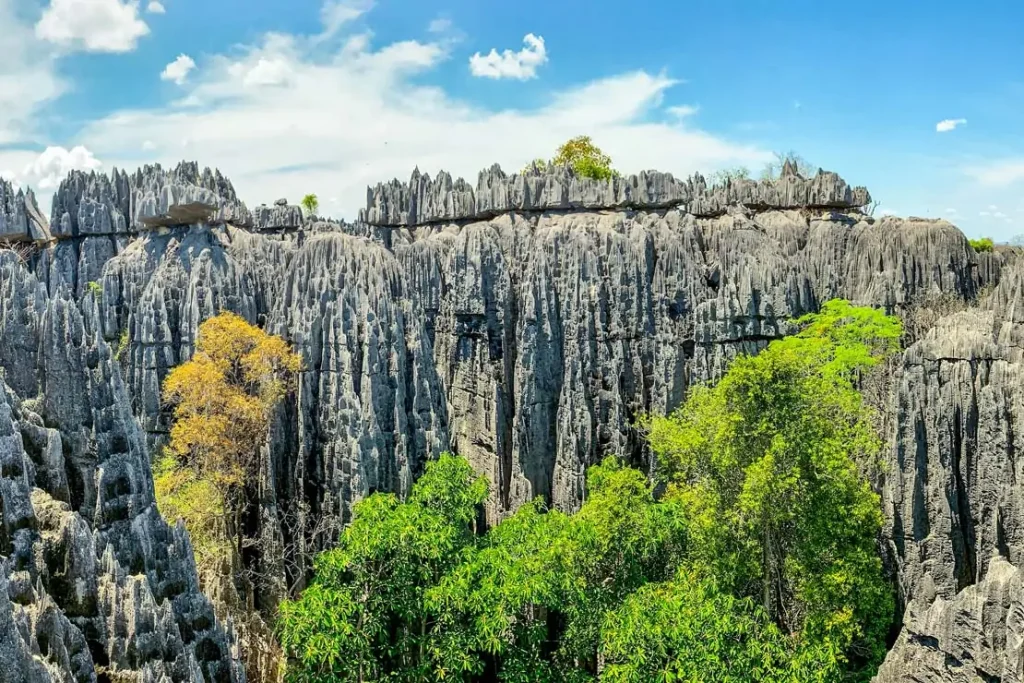
2. Discover Tsingy de Bemaraha National Park
A UNESCO World Heritage Site, Tsingy de Bemaraha is a spectacular limestone forest that looks like a stone fortress stretching into the sky. The sharp karst formations, often referred to as “the stone forest,” provide some of the most dramatic scenery in Africa. Adventurous travelers can hike narrow trails, cross suspension bridges, and climb steep ridges to take in panoramic views. Wildlife lovers will also enjoy spotting unique species, from lemurs leaping across cliffs to rare birds and reptiles. Exploring the park requires stamina, but the reward is unmatched—few landscapes in the world look as surreal as Tsingy’s jagged towers. For photographers, it’s a dream location. The park also represents the incredible biodiversity that Madagascar is famous for, with over 80% of the flora and fauna being endemic. Whether you’re trekking or just admiring its grandeur, Tsingy de Bemaraha is a must-visit for adventure seekers.
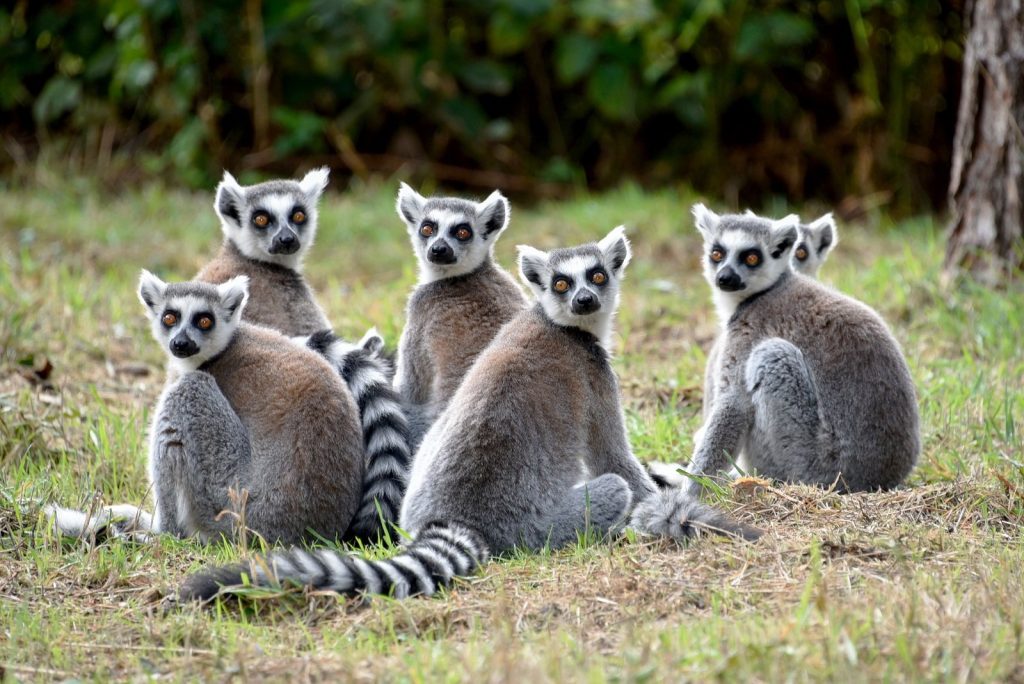
3. See Lemurs in Andasibe-Mantadia National Park
Madagascar is synonymous with lemurs, and Andasibe-Mantadia National Park is one of the best places to see them. Located just a few hours from Antananarivo, this lush rainforest is home to the famous Indri, the largest living lemur, known for its hauntingly beautiful call. The park also houses over a dozen other lemur species, along with chameleons, frogs, and exotic birds. Guided walks, especially at dawn or dusk, give you a chance to experience the forest at its most alive. In addition to wildlife, the park is rich in orchids and tropical plants, making it a paradise for nature enthusiasts. Spending a night in one of the nearby lodges lets you go on night walks to spot nocturnal creatures. For any traveler to Madagascar, meeting lemurs in their natural habitat is not just a highlight but a life-changing encounter.
4. Dive in Nosy Be
Nosy Be, meaning “big island,” is Madagascar’s most popular beach destination. Known for its turquoise waters, coral reefs, and relaxed island atmosphere, it’s a diver’s paradise. The surrounding waters are filled with marine life, from whale sharks and manta rays to vibrant coral gardens. Whether you’re snorkeling, scuba diving, or taking a boat trip to nearby islands like Nosy Komba and Nosy Tanikely, the underwater world here is simply magical. On land, you can explore plantations of ylang-ylang, vanilla, and pepper, which fill the air with fragrant aromas. Nosy Be also offers a vibrant cultural experience with its lively markets and local music festivals. It’s the perfect mix of relaxation and adventure. If you’re seeking both luxury resorts and authentic village life, Nosy Be delivers an unforgettable island escape.

5. Trek in Isalo National Park
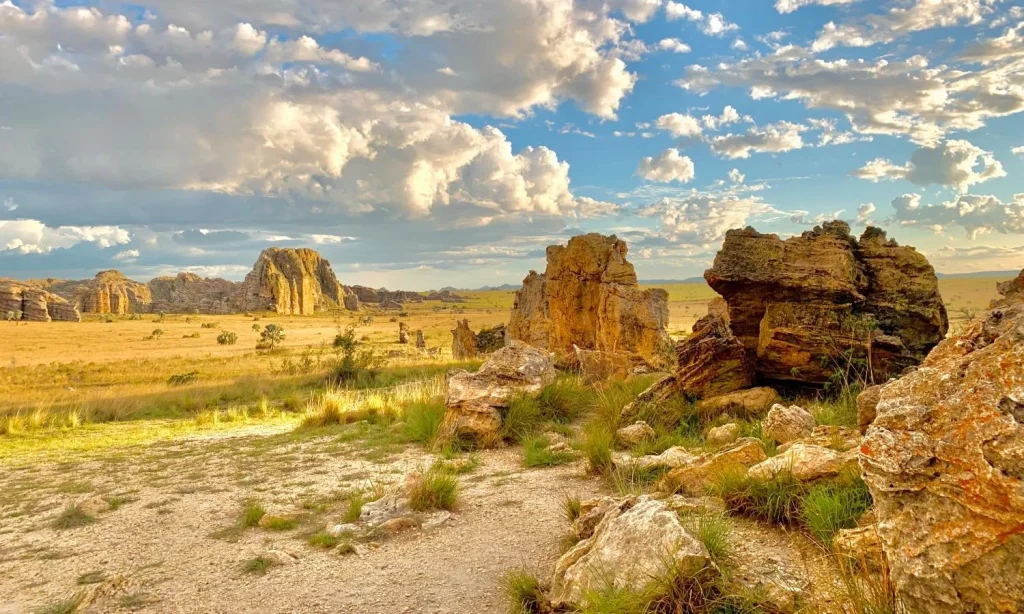
Isalo National Park, often referred to as Madagascar’s “Grand Canyon,” is a stunning landscape of sandstone formations, deep canyons, and natural swimming pools. Trekking through the park reveals hidden waterfalls, caves, and rock formations shaped by centuries of erosion. The scenery is breathtaking, but the park also boasts rich biodiversity, including ring-tailed lemurs, sifakas, and rare birds. A highlight for many visitors is swimming in the crystal-clear natural pools surrounded by dramatic cliffs. The park is also sacred to the Bara people, who use it as a burial ground, adding cultural depth to the experience. Treks can range from short walks to multi-day adventures, making Isalo suitable for both casual hikers and serious adventurers. The park’s combination of natural beauty, wildlife, and cultural history makes it one of Madagascar’s top destinations for exploration.
6. Experience Antananarivo’s Culture
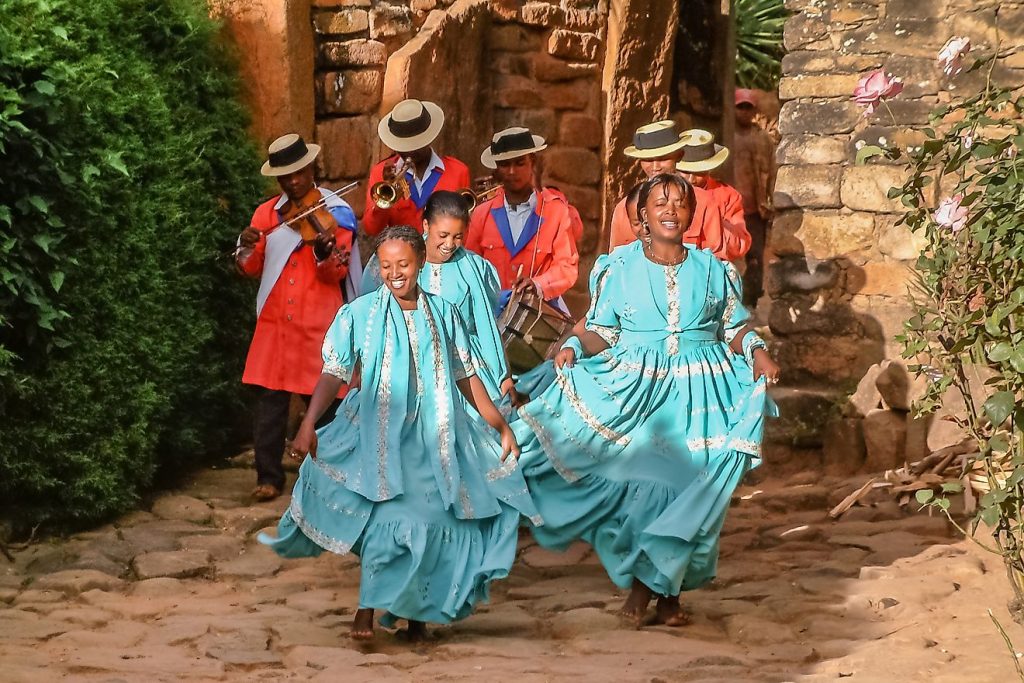
The capital city, Antananarivo (often called Tana), is the heartbeat of Madagascar’s culture. The city sprawls across hills, offering a mix of traditional Malagasy and French colonial architecture. Visitors can explore bustling markets, such as Analakely Market, to experience local life and taste street food delicacies. Key cultural sites include the Royal Palace and the Andafiavaratra Palace, which reveal the island’s history and monarchy. The city is also a hub for Malagasy crafts, with artisans producing handwoven textiles, wood carvings, and jewelry. Beyond its landmarks, Antananarivo is about immersing yourself in everyday Malagasy life—watching children play soccer in the streets, riding in colorful rickshaws, and joining locals for a coffee. While it may be chaotic at times, Tana offers an authentic glimpse into Madagascar’s modern identity and traditions. It’s a vibrant starting point for exploring the rest of the island.
7. Visit Île Sainte-Marie (Nosy Boraha)
Île Sainte-Marie, located off Madagascar’s east coast, is a tranquil paradise famous for its history and marine life. Once a pirate haven, the island still has relics of that era, including pirate cemeteries. Today, it’s best known for its pristine beaches and as one of the world’s best whale-watching spots. From July to September, humpback whales migrate through its waters, providing a once-in-a-lifetime spectacle. The island is also perfect for snorkeling and diving, with coral reefs teeming with colorful fish. Visitors will find the pace of life slow and relaxing, with charming guesthouses and traditional fishing villages scattered along the coast. Exploring the island by bicycle or canoe is a great way to experience its natural beauty. Île Sainte-Marie is a gem for those seeking peace, history, and extraordinary marine encounters.

8. Explore Ranomafana National Park
Ranomafana National Park is one of Madagascar’s most famous rainforests and a biodiversity hotspot. Covering over 160 square miles, the park is lush with tropical plants, rivers, and waterfalls. It’s home to rare species like the golden bamboo lemur, discovered here in the 1980s. Wildlife enthusiasts can also spot a variety of chameleons, frogs, and birds. The park has well-marked trails that range from easy walks to challenging treks, making it accessible for all types of travelers. Ranomafana is also a center for scientific research, with ongoing studies on its unique ecosystems. The surrounding village provides a warm welcome, with local markets and hot springs offering relaxation after a long hike. For nature lovers, Ranomafana is a must-see destination that captures the magic and mystery of Madagascar’s natural world.
9. Relax at Ifaty’s Beaches
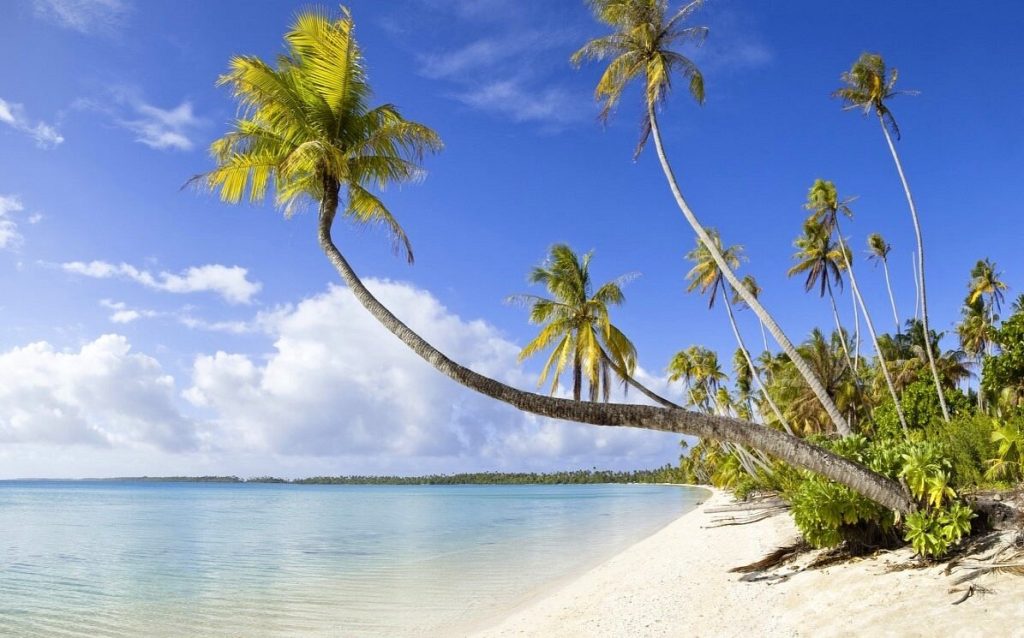
Located on the southwest coast, Ifaty is a stretch of fishing villages known for its sandy beaches and laid-back atmosphere. The area is surrounded by one of the world’s largest coral reef systems, making it excellent for snorkeling, diving, and fishing. Beyond the beaches, Ifaty is a gateway to Madagascar’s spiny forests, where you can see unique plants like octopus trees and bottle-shaped baobabs. The villages themselves are full of charm, with traditional Vezo fishermen heading out in colorful canoes at dawn. Visitors can enjoy fresh seafood while watching breathtaking sunsets over the Mozambique Channel. Ifaty offers a slower pace of life, making it a great place to unwind after exploring Madagascar’s more adventurous sites. It’s an idyllic stop for travelers looking to balance exploration with relaxation.
10. Cruise Along the Pangalanes Canal
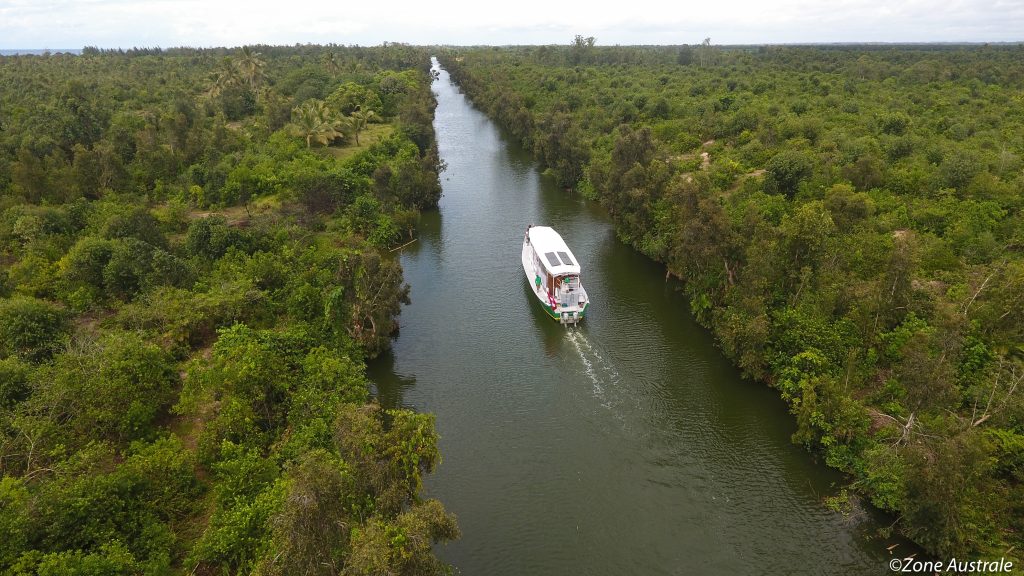
The Pangalanes Canal is a series of man-made and natural waterways stretching for hundreds of kilometers along Madagascar’s east coast. Taking a boat trip here feels like entering another world, with calm waters surrounded by lush greenery, fishing villages, and small markets. The canal was originally built during the French colonial era to ease transportation, and today it provides a peaceful way to experience rural Madagascar. Travelers can stop at villages, interact with locals, and observe traditional ways of life. Birdwatchers and photographers will love the diverse wildlife and picturesque scenery. Spending a few days cruising the canal allows you to fully appreciate its beauty and tranquility. It’s a unique cultural and natural experience that showcases a side of Madagascar far removed from the tourist crowds.
Conclusion
Madagascar is not just an island; it’s a living museum of natural wonders, cultural traditions, and rare species found nowhere else. From the towering baobabs to the magical rainforests, from peaceful beaches to lively markets, every experience here feels unique and authentic. Whether you’re a wildlife enthusiast, an adventure traveler, or someone seeking relaxation, Madagascar offers something special for everyone. A trip to this island is not just about ticking off destinations—it’s about immersing yourself in a world unlike any other, where nature and culture thrive side by side.

Other Articles