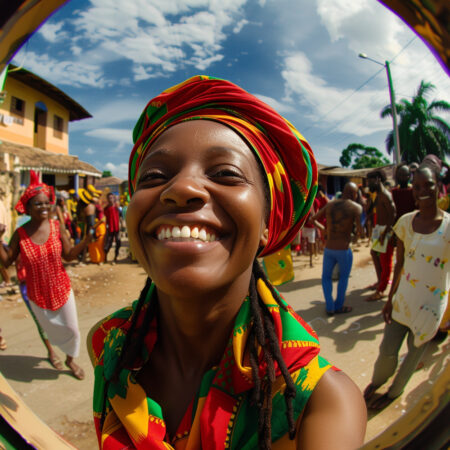
Once the capital of French West Africa, Saint-Louis remains one of Senegal’s most charming and historically rich destinations. Positioned on the northwest coast, near the mouth of the Senegal River, this city is an architectural marvel and a melting pot of culture, colonial heritage, art, and natural beauty. Designated as a UNESCO World Heritage Site, Saint-Louis captures the spirit of a bygone era with its narrow streets, iron-laced balconies, and vibrant Afro-French culture.
Whether you are a history enthusiast, a nature lover, or a traveler seeking immersive experiences, Saint-Louis offers something special. In this blog, we explore the top 10 things to do in Saint-Louis, with useful travel information to help you plan your journey, whether you’re arriving from Europe, Asia, or within Africa.
1. Explore the Historic Island of Saint-Louis
The heart of the city lies on Saint-Louis Island, a narrow strip of land between the Senegal River and the Atlantic Ocean. The island is a time capsule of 19th-century French colonial architecture—its crumbling pastel facades, arched bridges, and ornate balconies tell stories of a colonial past blended with African culture.
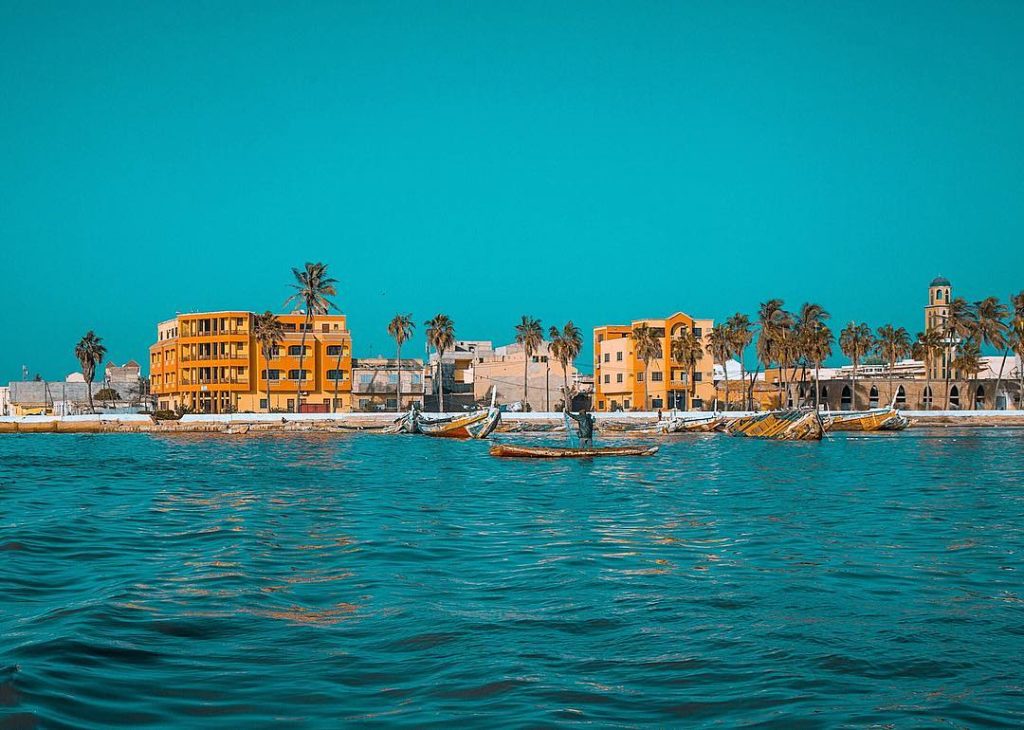
Walking around the island feels like stepping into an open-air museum. The Pont Faidherbe, a metal bridge said to be designed by Gustav Eiffel, connects the island to the mainland and is itself a striking sight. The old governor’s palace and military barracks offer insights into Saint-Louis’s role as a colonial capital.
How to Get There: From Europe, travelers can fly into Dakar Blaise Diagne International Airport (DSS) via major carriers like Air France or Brussels Airlines. From there, Saint-Louis is a 4- to 5-hour drive north. You can rent a car or take a local bus (called a “Ndiaga Ndiaye”) or a private taxi. If you are traveling within Senegal or neighboring countries like Mauritania or The Gambia, regional buses and domestic flights to Dakar are widely available.
2. Visit the Saint-Louis Jazz Festival
Every May, the city transforms into a vibrant soundscape during the Saint-Louis Jazz Festival, one of Africa’s premier music events. Since its inception in 1993, the festival has attracted legendary performers from across the globe. For a few days, historic buildings and open squares serve as stages for international and local jazz musicians.

This cultural celebration is more than music—it’s a convergence of food, fashion, art, and community. Even if you’re not a jazz enthusiast, the energy, parades, and pop-up markets will leave a lasting impression.
How to Get There: Book flights early if you’re coming from abroad during the festival. From Asia, most travelers transit through major European hubs (Paris, Madrid, or Istanbul) before connecting to Dakar. From there, continue by road to Saint-Louis. Early hotel reservations are highly recommended due to limited accommodation during festival days.
3. Discover the Djoudj National Bird Sanctuary
Located about 60 kilometers northeast of Saint-Louis, the Djoudj National Bird Sanctuary is one of the most important wetland reserves in the world. Home to over 1.5 million birds, including flamingos, pelicans, herons, and storks, it’s a paradise for birdwatchers and wildlife photographers.

The park is best visited between November and April, during the migratory season. Boat tours along the Senegal River offer close encounters with bird colonies and other wildlife like warthogs and crocodiles.
How to Get There: You can hire a guide or book a local tour operator from Saint-Louis. Vehicles typically depart early in the morning and return in the afternoon. Be sure to carry sun protection and binoculars.
4. Stroll Through Guet Ndar Fishing Village
Guet Ndar is a bustling fishing community located on the Langue de Barbarie, just across the river from the city. It is one of the oldest and most vibrant neighborhoods in Saint-Louis, known for its narrow alleys, colorful wooden fishing boats, and the lively energy of daily life.
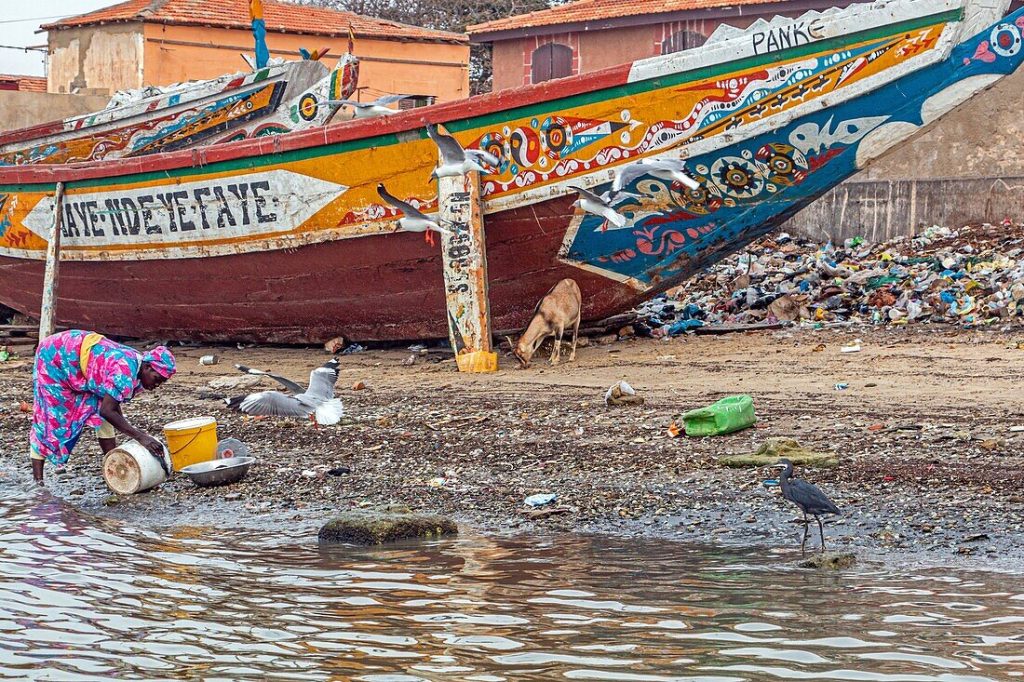
The local fish market, where freshly caught fish is traded, offers an authentic glimpse into the city’s economic and cultural lifeline. It’s also a fantastic place for photography and conversation with friendly locals.
How to Get There: Guet Ndar is walkable from the city center. Alternatively, you can hire a bicycle or take a short taxi ride.
5. Visit the Museum of Photography (Musée de la Photographie)
A hidden gem in Saint-Louis, this museum houses a unique collection of photographs documenting Senegalese history, colonial times, and local culture. It also features exhibitions from contemporary West African photographers.

Located in a restored colonial building, the museum also offers workshops and occasional artist talks, making it ideal for those interested in art and visual storytelling.
How to Get There: Centrally located on the island, the museum is accessible by foot or tuk-tuk from anywhere in the old town.
6. Take a Boat Tour on the Senegal River
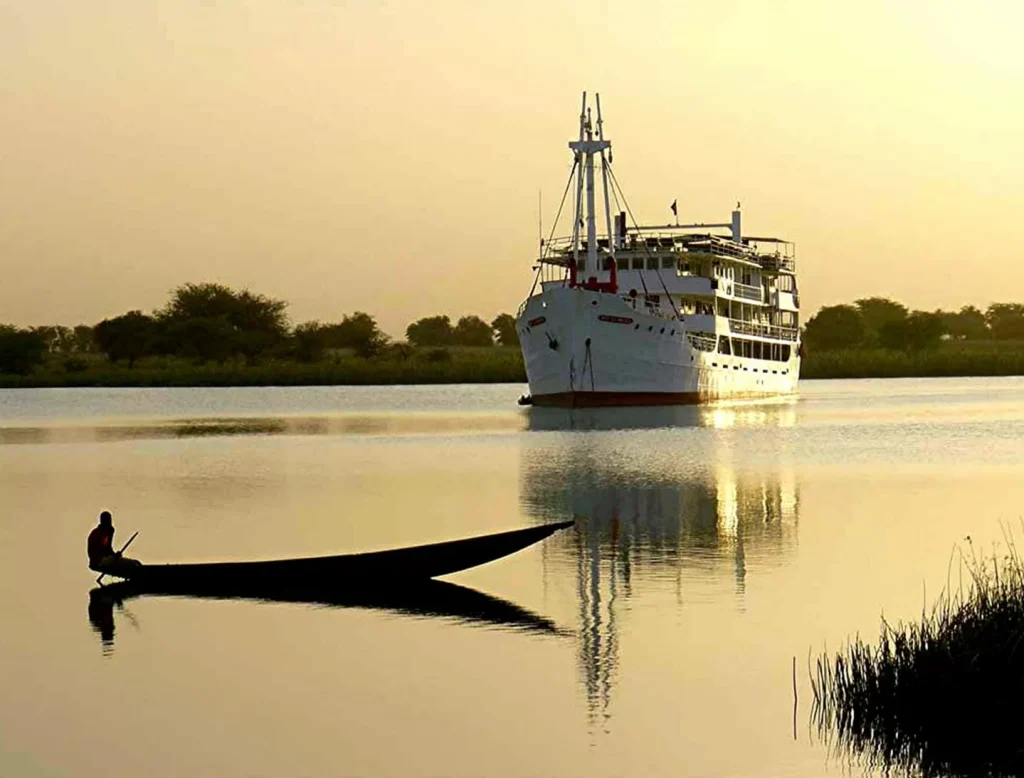
Enjoying a river cruise at sunset is one of the most serene experiences in Saint-Louis. These boat tours provide a different perspective of the city, especially the colonial architecture and nearby mangroves.
Some tours include traditional Senegalese music and meals on board. It’s a great way to unwind after a day of sightseeing.
How to Get There: Tours can be booked through hotels, local agencies, or directly at the docks along the riverbanks.
7. Explore Langue de Barbarie National Park
This narrow peninsula between the Atlantic Ocean and the Senegal River features diverse ecosystems, including beaches, lagoons, and mangroves. It’s perfect for ecotourism—visitors can spot birds, turtles, and various fish species.
The beaches are quiet, clean, and ideal for swimming or simply relaxing.
How to Get There: Accessible by 4×4 vehicles or boat, you can join guided tours departing from Saint-Louis city.

8. Dine at SIKI Restaurant, Saint-Louis
For an authentic gastronomic experience in Saint-Louis, SIKI Restaurant stands out as a must-visit destination. Located in the historic heart of the island, SIKI blends colonial charm with a contemporary touch. The ambiance is relaxed yet refined, offering both indoor and courtyard seating with views of Saint-Louis’s colorful architecture.
SIKI is known for its fusion of Senegalese and French cuisine, using locally sourced ingredients to craft dishes that are both creative and grounded in tradition. Specialties include thieboudienne (rice and fish stew), yassa poulet (marinated chicken in onion sauce), and fresh seafood prepared with flavorful West African spices. The wine list is well-curated, featuring selections from France and South Africa that pair beautifully with the menu.

In addition to the food, SIKI often hosts live music performances on weekends, showcasing local talent and jazz influences that reflect the city’s cultural heartbeat. The service is attentive, and the staff are welcoming and knowledgeable, offering insights into the culinary traditions of Senegal.
How to Get There:
SIKI Restaurant is centrally located on the Island of Saint-Louis, within walking distance of most hotels and historic sites. Taxis and tuk-tuks are also available for visitors staying on the mainland or further afield. If you’re arriving from another part of Senegal, it’s recommended to first check into your hotel and then explore the island by foot, with SIKI easily reachable by navigating the city’s main colonial streets.
Dining at SIKI is more than a meal—it’s a cultural experience. Whether you are traveling solo, with friends, or on a romantic getaway, this restaurant provides a memorable introduction to Saint-Louis’s culinary scene.
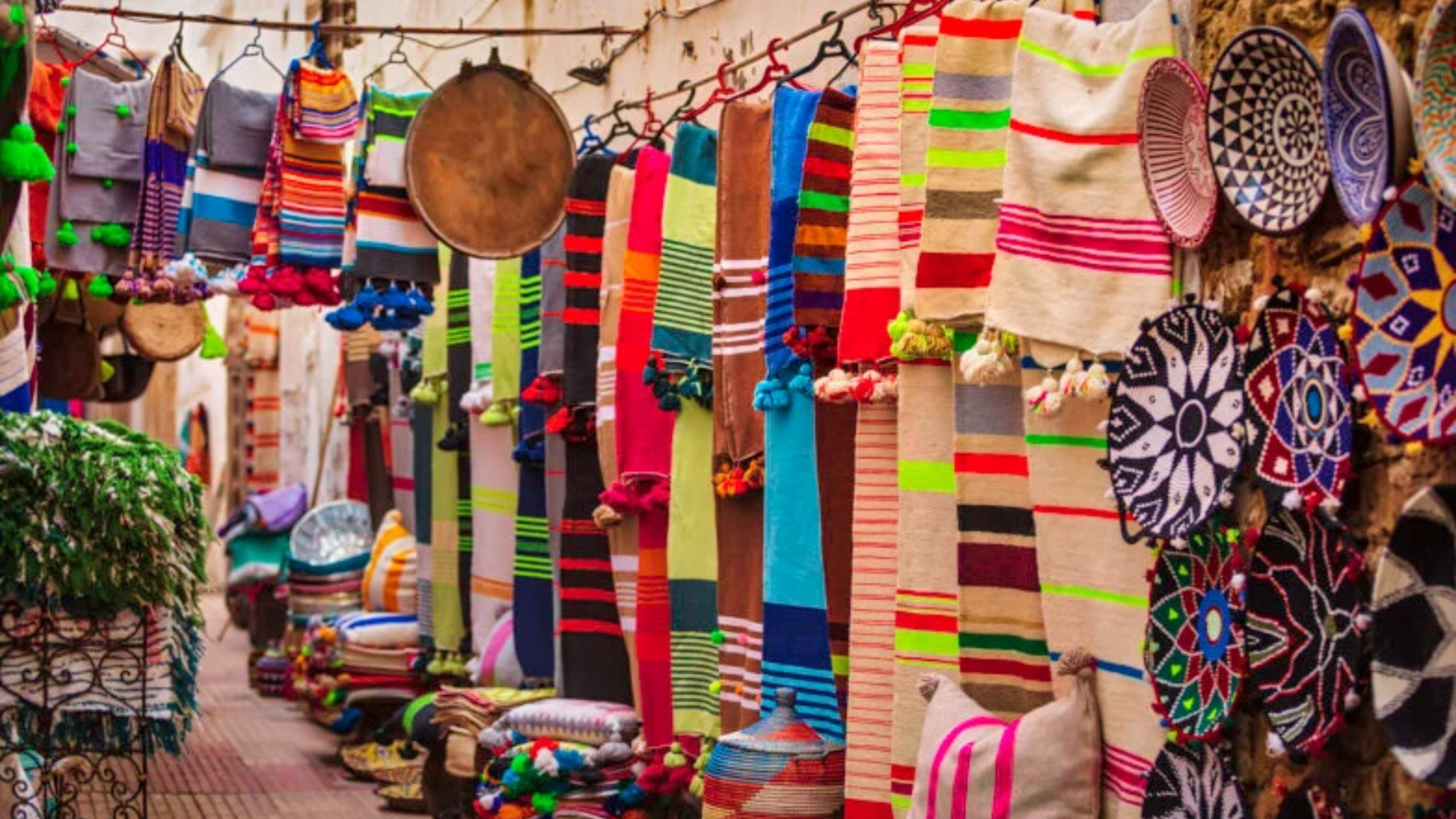
9. Explore Local Markets and Artisan Shops
The Sor Market on the mainland is the city’s largest and is filled with stalls selling fabrics, jewelry, spices, and handmade crafts. It’s an excellent spot to buy souvenirs and engage with local artisans.
Bargaining is expected, and it’s best to go with a guide if you’re unfamiliar with the local language.
How to Get There: A short taxi ride or a walk across the Faidherbe Bridge from the island will get you there.
10. Visit the Cathedral and Historic Mosques
Religious architecture in Saint-Louis is a testament to its diverse population. The Saint-Louis Cathedral, built in 1827, is the oldest in West Africa. Likewise, the city hosts several historic mosques that highlight the Islamic heritage of Senegal.
These sites are more than just places of worship—they’re cultural anchors in the community.
How to Get There: All are centrally located and accessible by walking or short taxi rides.

Final Travel Tips
- Visa Requirements: Senegal is visa-free for many African and European countries for stays under 90 days. Always check updated visa policies before travel.
- Currency: West African CFA Franc (XOF). Most places accept cash, and ATMs are available.
- Language: French is the official language, though Wolof is widely spoken.
Whether you’re traveling from Europe, Asia, or within Africa, getting to Saint-Louis is easier than it seems. With its deep cultural history, ecological beauty, and warm hospitality, Saint-Louis is a destination that captures the spirit of Senegal and West Africa as a whole.

Other Articles

Top 10 Restaurants in Nairobi
Top 10 Road Trip Routes in Africa