Unusual Animal Migrations in Africa You Didn’t Know About

Africa is home to some of the world’s most spectacular wildlife migrations. While the Serengeti wildebeest migration is widely known, there are numerous lesser-known migrations that showcase the continent’s remarkable biodiversity. These migrations highlight unique survival strategies, ecological balance, and natural wonders that most travelers rarely experience.
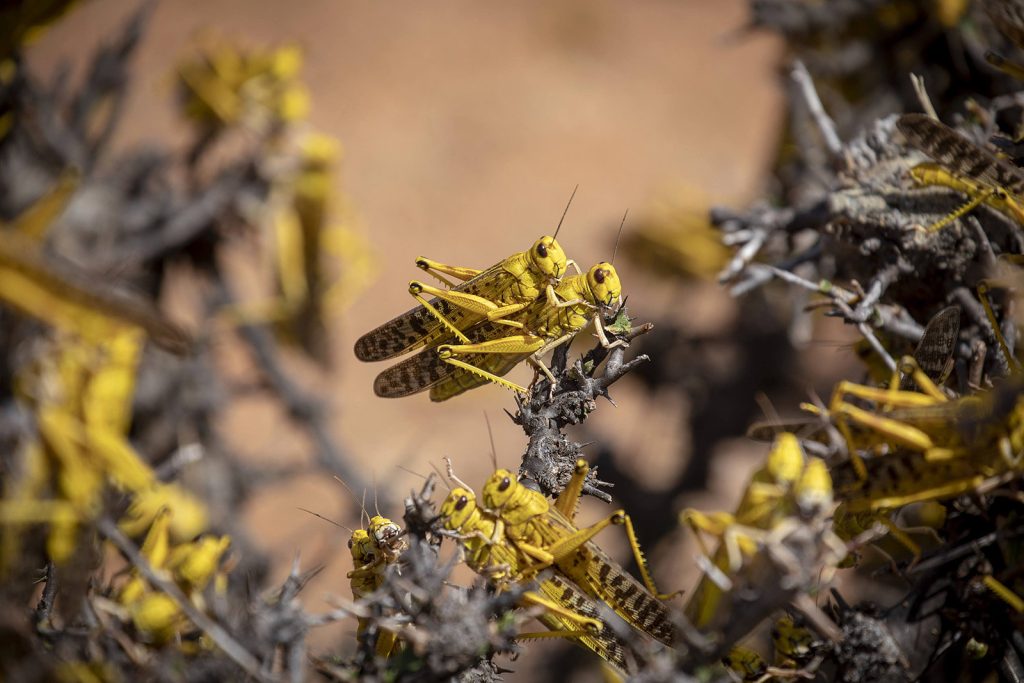
Desert Locust Migration – Sahel Region (Countries: Senegal, Mali, Niger, Chad, Sudan)
The desert locust migration is one of the most dramatic insect movements in the world. Swarms can travel hundreds of kilometers across the Sahel, following the seasonal rains. These locusts are both a threat to crops and an essential part of the ecosystem, providing food for birds and other predators along their path. Their movement is seasonal and predictable, yet awe-inspiring in scale.
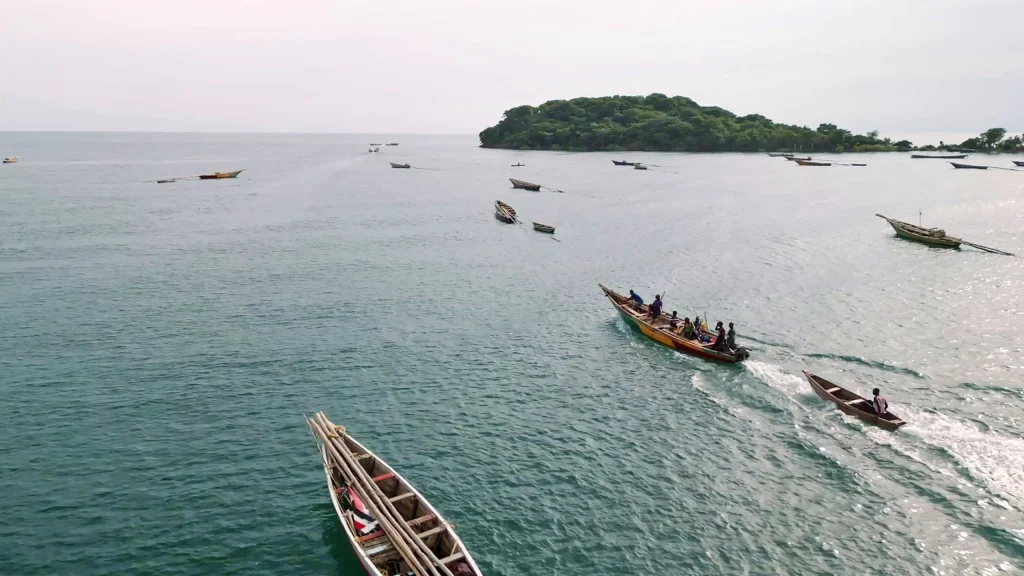
Silverfish Migration – Lake Tanganyika (Countries: Tanzania, Burundi, Democratic Republic of Congo, Zambia)
The silverfish migration in Lake Tanganyika occurs when billions of these small fish move across the lake, attracting predators like cormorants, catfish, and freshwater eagles. This creates one of the densest predator-prey interactions in the world, a spectacle that only occurs during the migration season. Lake Tanganyika’s crystal-clear waters make this migration a must-see for wildlife enthusiasts and photographers.
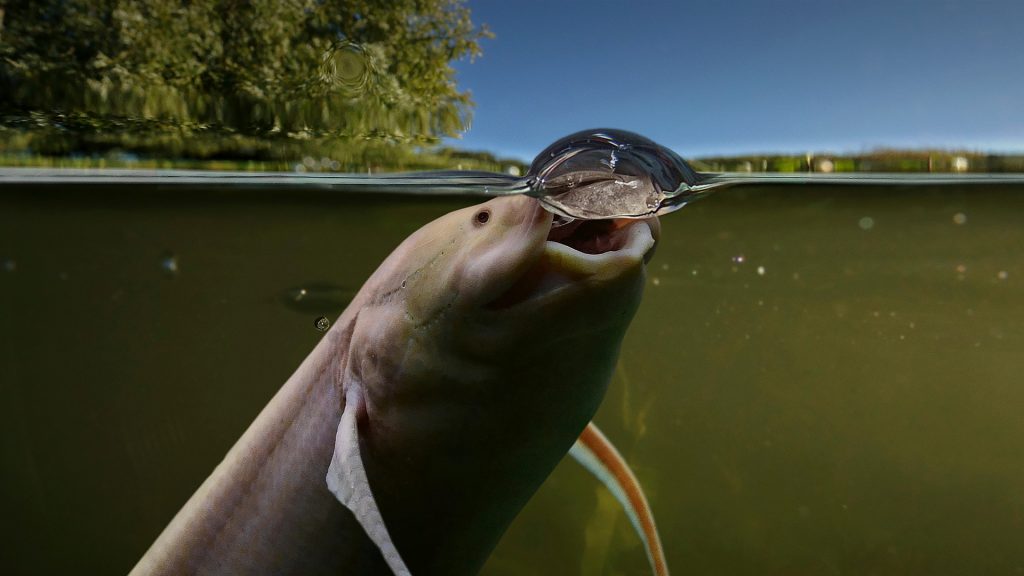
African Lungfish – Floodplains and Rivers (Countries: Zambia, Zimbabwe, Angola, Democratic Republic of Congo)
The African lungfish demonstrates a remarkable survival migration by burrowing into mud during the dry season. They can remain dormant for up to several months until the rains return. This adaptation allows them to survive extreme drought conditions and highlights nature’s resilience in arid regions.
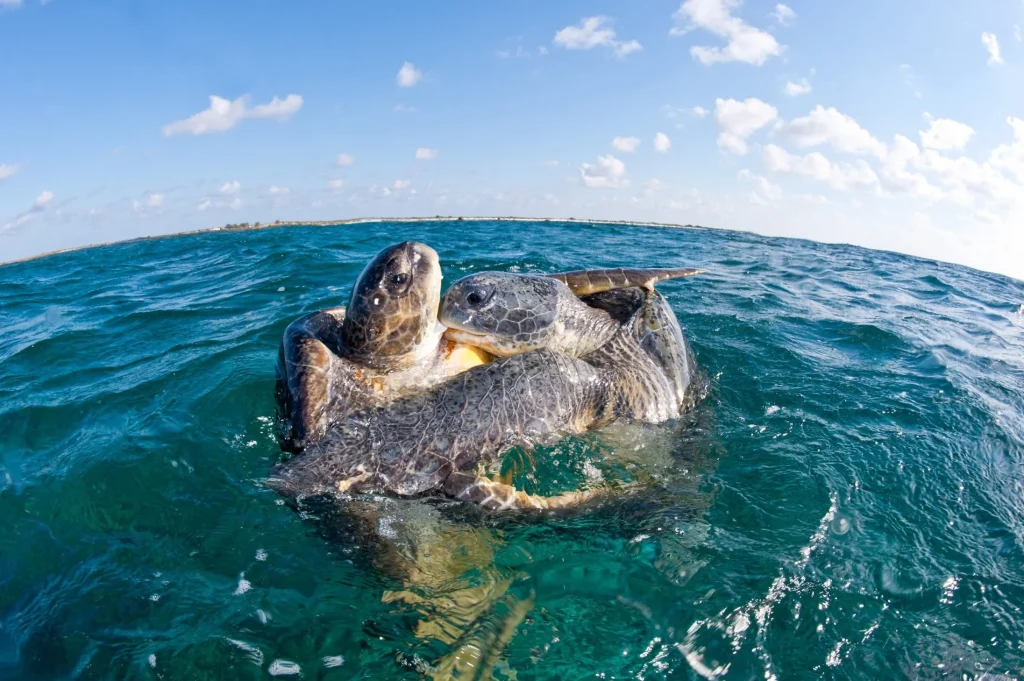
Leatherback Sea Turtle Migration—West African Coast to South America (Countries: Gabon, Republic of Congo, São Tomé and Príncipe)
Leatherback sea turtles travel over 10,000 kilometers from their nesting beaches along the Gabonese coastline to feeding grounds in South America. This migration is one of the longest of any marine animal and ensures the survival of the species by moving between nutrient-rich areas. Travelers interested in conservation can witness nesting seasons along Gabon’s pristine beaches.
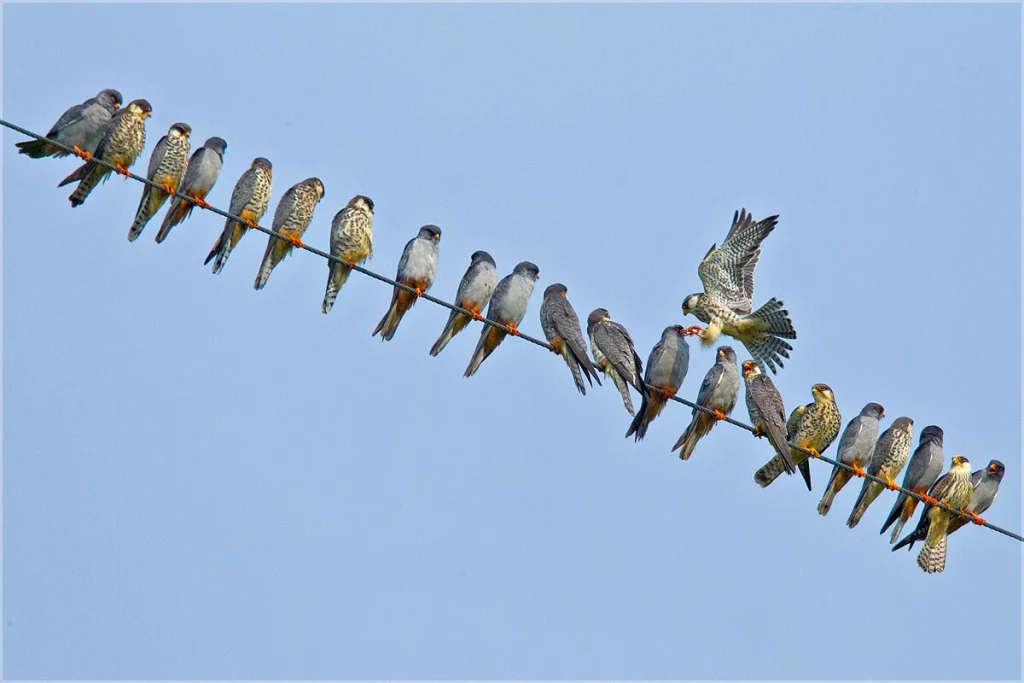
Amur Falcon Migration – East to Southern Africa (Countries: India, Ethiopia, South Africa, Botswana, Zimbabwe)
The Amur falcon undertakes one of the longest bird migrations in the world. From India, they cross the Indian Ocean and Eastern Africa to reach Southern Africa for the non-breeding season. Along the way, they stop in critical habitats, including Ethiopia’s Rift Valley lakes, showcasing impressive endurance and navigation skills.
Final Thoughts for Travelers
Exploring Africa offers more than just the iconic safaris. Witnessing these unusual animal migrations provides a rare glimpse into nature’s ingenuity, resilience, and interconnected ecosystems. For travelers, understanding these movements enhances the experience, whether you are a wildlife photographer, conservationist, or adventure seeker. Plan trips around seasonal migrations to see these natural spectacles in their full glory.
Other Articles