Why Safari Still Tops the List for Africa-Bound Travelers in 2026

Africa offers deserts, mountains, beaches, cosmopolitan cities, and ancient history, yet when most travelers imagine the continent, one experience rises above all others: the safari. Year after year, safari remains the leading reason people book trips to Africa. Whether it is a first-time visitor from Europe, a honeymoon couple from Asia, or an intra-African traveler exploring the continent, the allure of wildlife in its natural habitat continues to define African travel.
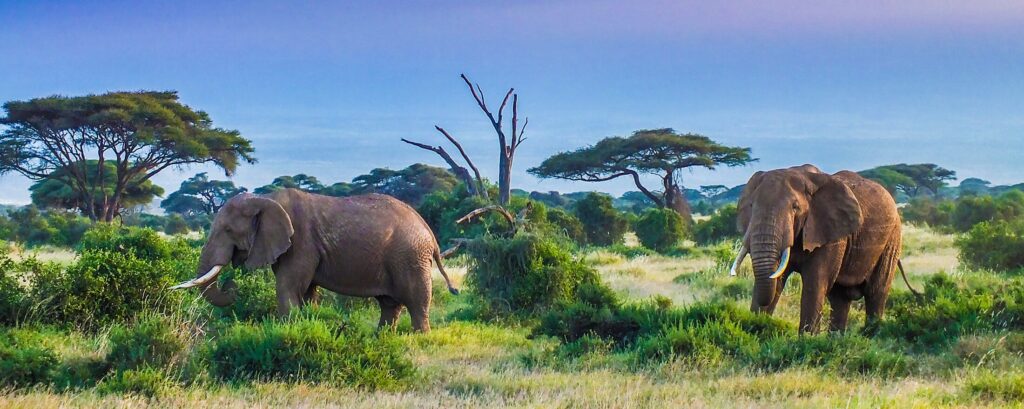
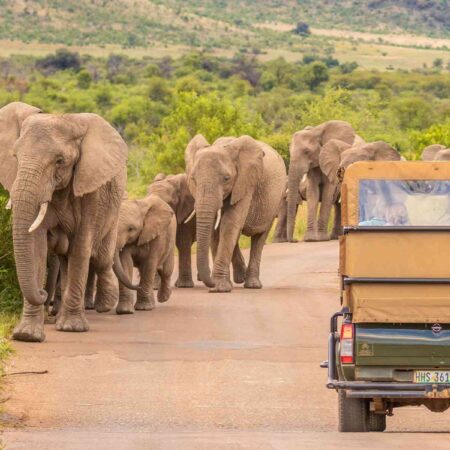
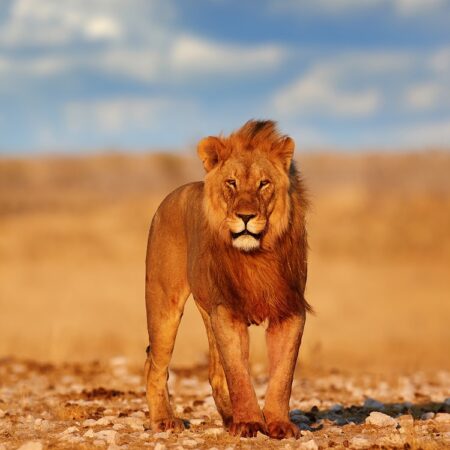
One of the biggest reasons safari dominates African tourism is the promise of iconic wildlife encounters. Few experiences compare to watching a pride of lions resting under an acacia tree, elephants crossing open plains, or a leopard draped across a branch at sunset. Destinations such as the Maasai Mara National Reserve in Kenya and the Serengeti National Park in Tanzania are globally recognized for delivering these moments. The annual Great Migration, where millions of wildebeest and zebras move across the plains in search of greener pastures, is often described as one of the greatest wildlife spectacles on Earth. For many travelers, witnessing this event alone justifies the journey to Africa.
Safari also offers something increasingly rare in modern travel: genuine immersion in nature. In a world dominated by screens, traffic, and constant connectivity, the vast open landscapes of Africa provide space to disconnect and reset. Early morning game drives begin before sunrise, when the air is cool, and wildlife is most active. The silence of the savannah, broken only by birdsong or distant animal calls, creates a sense of calm that many travelers describe as transformative. This reconnection with nature is a powerful draw, especially for urban dwellers seeking balance and perspective.
Another reason safari continues to lead African travel trends is its diversity of experiences. Safari is not limited to one country or one style of travel. In Southern Africa, the Kruger National Park offers a well-developed infrastructure with a range of accommodations from self-drive camps to luxury lodges. In East Africa, Kenya and Tanzania combine dramatic landscapes with cultural interactions involving Maasai communities. In Southern Africa, travelers can pair wildlife viewing with visits to the majestic Victoria Falls, creating a multi-dimensional itinerary that blends adventure and natural wonder.
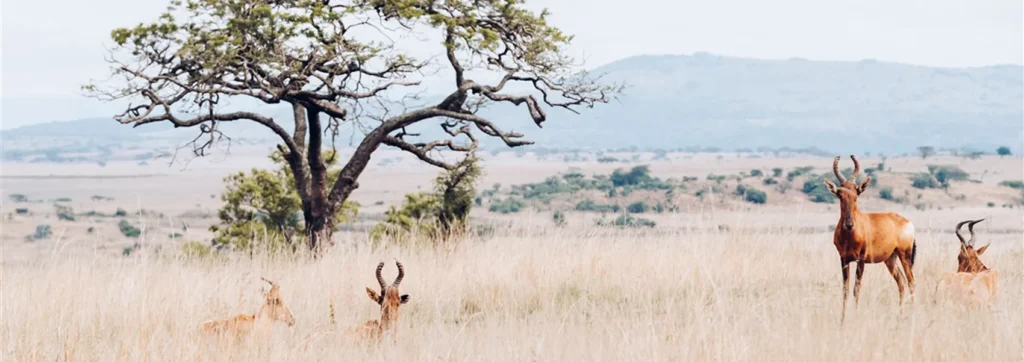
Luxury safari experiences have also elevated the continent’s appeal. Modern safari lodges combine the romance of classic tented camps with five-star comfort. Guests can enjoy spacious suites overlooking watering holes, fine dining prepared by skilled chefs, spa treatments in the wilderness, and personalized guiding. For honeymooners and high-end travelers, safari delivers exclusivity without sacrificing authenticity. Private conservancies limit vehicle numbers, ensuring intimate wildlife sightings away from crowds. This balance between raw nature and refined comfort makes safari uniquely attractive compared to other global travel experiences.
At the same time, safari is not reserved for luxury travelers alone. Budget and midrange options have made wildlife exploration more accessible than ever. Group safaris, comfortable lodges, and shared game drives allow students, families, and young professionals to experience Africa’s wildlife at manageable costs. This flexibility broadens safari’s appeal across income levels and age groups, reinforcing its position at the top of travel wish lists.
Cultural enrichment is another key factor behind safari’s enduring popularity. Many safari destinations provide opportunities to engage with local communities, learn about traditional lifestyles, and understand the connection between people and wildlife. Cultural visits to Maasai villages in Kenya or community projects near conservation areas add depth to the experience. Travelers leave not only with photographs of animals but also with insights into heritage, resilience, and coexistence.
Conservation plays an increasingly important role in safari tourism. Today’s travelers are more conscious of their environmental impact and actively seek experiences that support sustainability. Safari lodges and reserves often operate as part of conservation initiatives that protect endangered species and provide employment to local communities. By choosing reputable operators, visitors contribute directly to wildlife protection efforts. This sense of purpose enhances the emotional value of a safari, transforming it from a holiday into a meaningful investment in preservation.
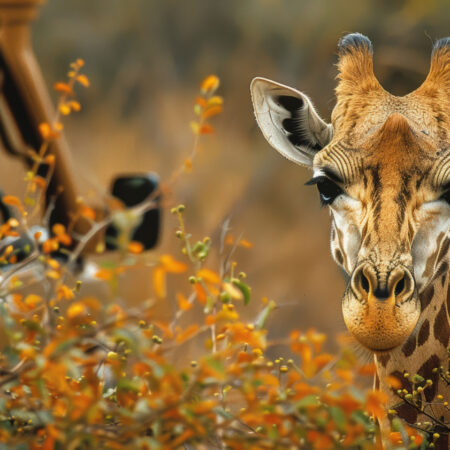
Photography and social media have also amplified safari’s appeal. The dramatic imagery of elephants against golden sunsets or cheetahs sprinting across open plains captivates audiences worldwide. For content creators, photographers, and influencers, safari offers visually powerful material that resonates deeply with global audiences. The uniqueness of these images keeps Safari aspirational and highly shareable, sustaining its dominance in travel conversations.
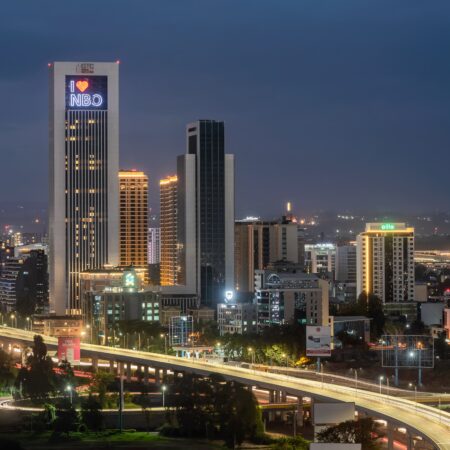
Accessibility improvements across the continent further support safari’s popularity. Major safari hubs are connected by international airports and regional flights, making it easier to combine multiple destinations in one trip. Travelers can land in Nairobi or Johannesburg and reach wildlife reserves within hours. This convenience reduces logistical barriers and encourages repeat visits.
Safari also appeals to multigenerational travelers. Families can share game drives that fascinate children and adults alike. Older travelers appreciate the structured pace and guided nature of safaris, while younger travelers seek adventure and unique storytelling opportunities. Few travel experiences cater so effectively to such a wide demographic range.
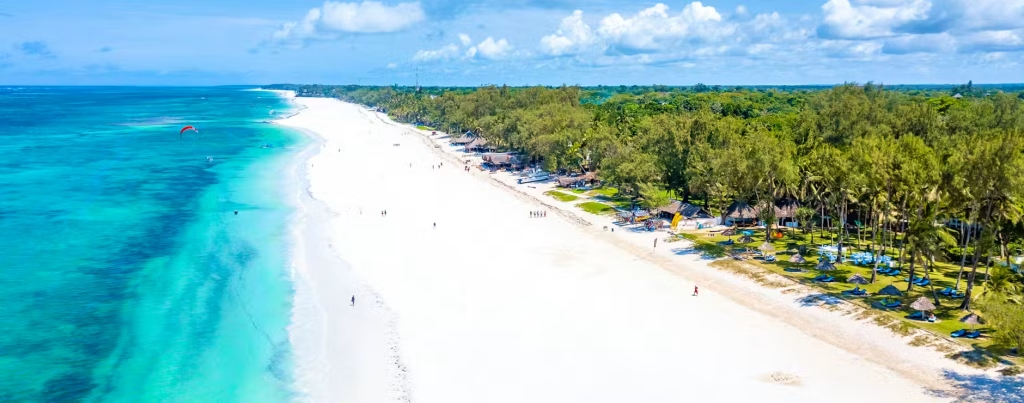
Beyond wildlife, safari destinations often include complementary attractions. Coastal extensions to destinations like Zanzibar or Diani Beach allow travelers to relax by the Indian Ocean after days in the bush. Mountain adventures near Mount Kilimanjaro add hiking opportunities. Wine tasting tours in South Africa can be paired with a safari in Kruger. This versatility enhances safari’s position as the anchor experience within a broader African itinerary.
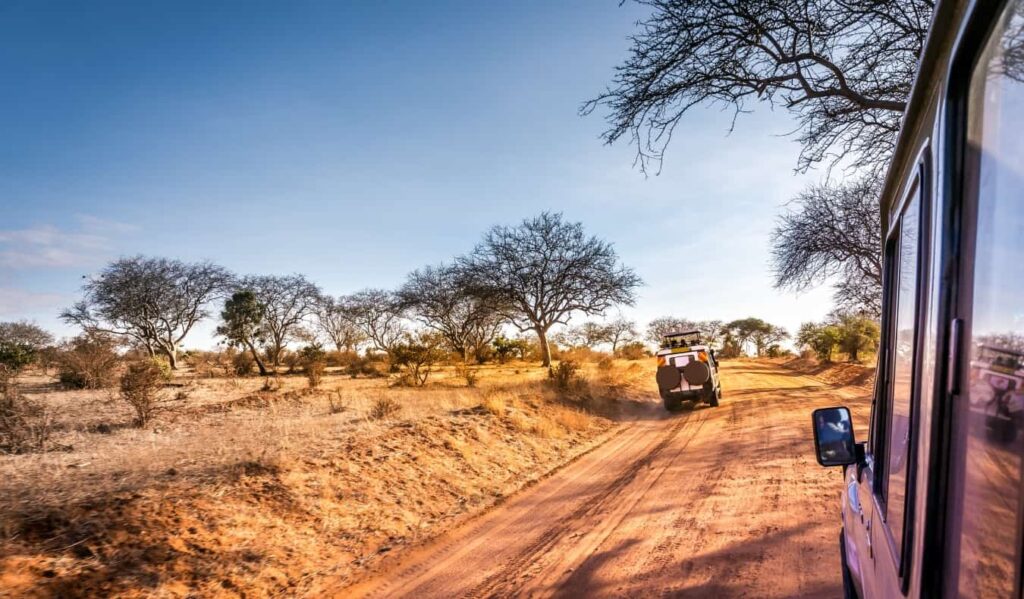
Safety and structured guidance also make the safari appealing to first-time visitors. Professional guides, organized itineraries, and established lodges provide reassurance for travelers unfamiliar with the continent. The presence of experts ensures not only safety but also a deeper understanding of animal behavior, ecosystems, and local culture. This educational component adds significant value.
For many travelers, a safari fulfills a lifelong dream. From childhood documentaries showcasing Africa’s wildlife to iconic films set against savannah backdrops, the idea of an African safari is deeply embedded in global imagination. When travelers finally stand face-to-face with a wild elephant or watch a lion pride at dusk, the experience feels both surreal and profoundly real. It satisfies a curiosity that has long existed.
Final Thoughts
Safari continues to top the list for Africa-bound travelers because it delivers something few other experiences can match: authenticity, scale, diversity, and emotional impact. It combines wildlife, culture, conservation, adventure, and comfort in a way that feels both timeless and evolving. Whether experienced in the sweeping plains of the Maasai Mara, the endless horizons of the Serengeti, or the vast landscapes of Kruger, safari represents the essence of African travel.
For travelers planning their journey to Africa, safari remains more than a tour; it is a defining encounter with nature at its most powerful and beautiful. That enduring magic is why safari continues to lead the continent’s travel narrative year after year.