
🦓🐃 Why You Must Witness the Great Wildebeest Migration in Your Lifetime

The History of the Great Wildebeest Migration: Nature’s Oldest Journey
The Great Wildebeest Migration is one of the most iconic wildlife phenomena in the world. Taking place annually across the Serengeti in Tanzania and the Maasai Mara in Kenya, this migration involves more than 1.5 million wildebeests, along with hundreds of thousands of zebras and gazelles. These animals move in a clockwise loop driven by rainfall patterns and the search for fresh grazing lands.
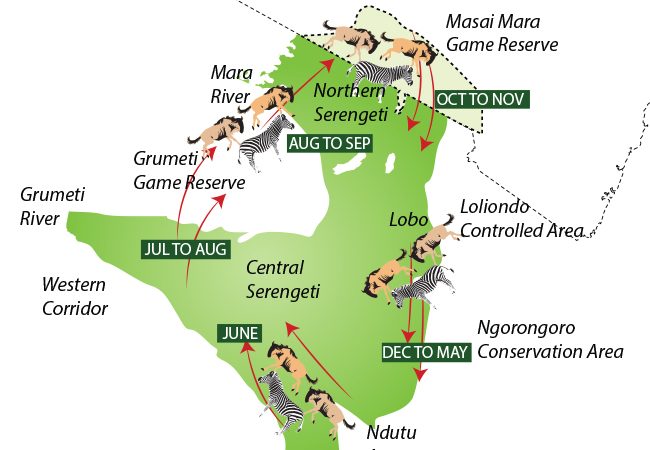
This migration begins in the Southern Serengeti, where the calving season occurs between January and March. Here, over 500,000 calves are born within a few weeks, attracting a high concentration of predators like lions, cheetahs, and hyenas. The sight of a newborn calf learning to stand within minutes of birth—surrounded by threats—is one of the rawest encounters with nature.
By June and July, the herds reach the Grumeti and Mara Rivers, where the infamous river crossings take place. These crossings are dramatic and dangerous, with wildebeests jumping into crocodile-infested waters and struggling against strong currents to reach the other side.
From August to October, the migration peaks in Kenya’s Maasai Mara, providing travelers the best opportunity to witness massive herds and predator activity. The cycle concludes as the herds move back to the Serengeti in November and December.

This ancient migration not only supports biodiversity but also plays a key role in maintaining the health of East Africa’s grassland ecosystem. For those lucky enough to witness it, the experience becomes a lifelong memory.
Unforgettable Moments That Define the Migration Experience
There are several iconic moments within the wildebeest migration that make it a once-in-a-lifetime safari experience.
The Mara River Crossings
Between July and August, herds cross the Mara River. This moment is filled with adrenaline and suspense, as wildebeests face crocodiles, broken limbs, and panic-driven jumps. Watching thousands of animals navigate the current, many with calves in tow, is both terrifying and awe-inspiring.

Calving Season
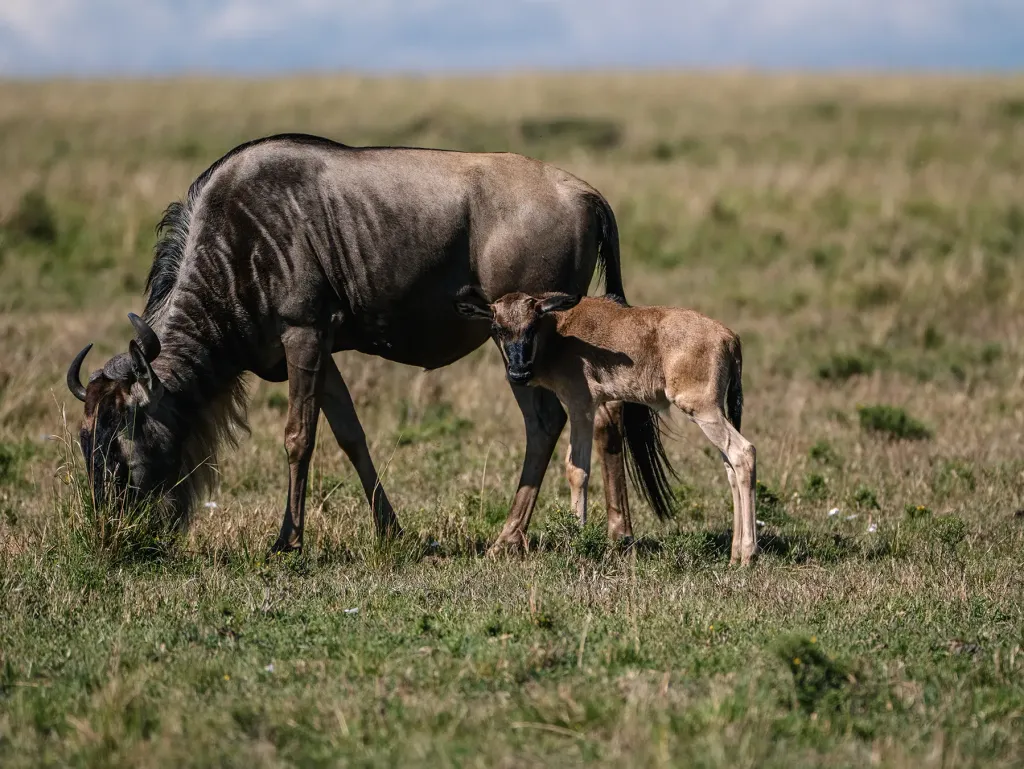
Between January and March, the Southern Serengeti becomes a nursery for wildebeests. Travelers can witness mass births and first steps amid roaming predators. It’s a time of both hope and danger.
Predator-Prey Interactions
Throughout the year, particularly during the dry season, predator sightings peak. Lions ambush herds at night, cheetahs hunt by day, and hyenas work in packs. The chance to observe these interactions in real time is something no documentary can replicate.
Peaceful Grazing & Endless Landscapes
Beyond the action, moments of serenity abound—grazing herds stretching for miles, dramatic sunsets, and vast plains that offer a meditative perspective on nature’s rhythm.
These defining events occur at various points in the migration, offering multiple entry points for travelers to plan their visit depending on what they wish to experience most.
How to Experience the Migration: Activities, Stays & Transport
To fully appreciate the migration, travelers can choose from a range of activities, accommodations, and transport options depending on their budget and desired level of adventure.
Activities to Try:
- Game Drives (Morning and Evening)
- Hot Air Balloon Safaris over the Mara or Serengeti
- Guided Bush Walks with armed rangers
- Photographic Safaris with expert guides
- Cultural Visits to Maasai Villages

Where to Stay:
- Angama Mara – Luxury lodge with panoramic views of the Mara Triangle
- Elewana Sand River Camp – Close to the Sand River, ideal for river crossing views
- Lemala Kuria Hills Lodge – Private luxury tents in Northern Serengeti
- Governors’ Camp – One of the oldest, set on the banks of the Mara River
- Serengeti Migration Camp – Perfect for witnessing the northern movement
Modes of Transport:
- Fly-in Safaris (Nairobi or Arusha to Mara/Serengeti)
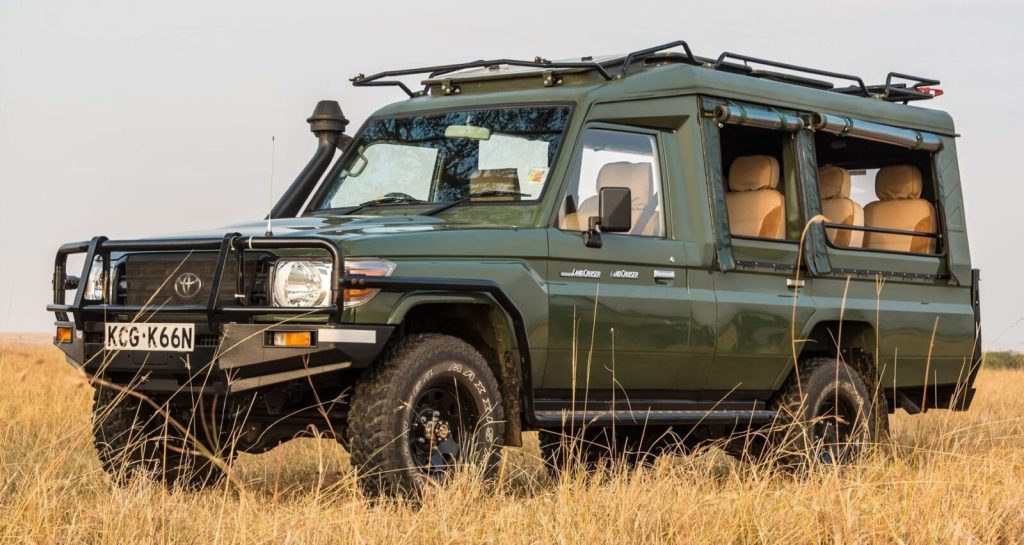
- 4×4 Land Cruiser Game Drives
- Local Charter Flights between lodges
- Helicopter Transfers (high-end travel)
Summary: Side-by-Side Guide
| Activity | Recommended Hotel | Location | Best Time |
|---|---|---|---|
| River Crossings | Angama Mara, Elewana Sand River Camp | Maasai Mara | July – August |
| Calving Season | Lemala Kuria Hills, Serengeti Migration Camp | Southern Serengeti | January – March |
| Predator Tracking | Governors’ Camp, Lemala Kuria Hills | Mara & Serengeti | June – October |
| Balloon Safaris | Angama Mara, Governors’ Camp | Mara Triangle | All Year (Dry Months) |
| Cultural Encounters & Bush Walks | Sand River Camp, Serengeti Migration Camp | Serengeti & Mara |
Final Note
The Great Wildebeest Migration is more than an animal journey—it’s a moving life force that connects people to the heartbeat of wild Africa. With immersive activities, stunning lodges, and flexible transport options, 2025 is your year to experience this ancient natural wonder.
📅 Plan early—book with reputable guides. Choose responsible lodges. And prepare your heart for a memory that never fades.
Africa is calling—and the wildebeests are on the move.
Other Articles

10 Best Boutique Hotels in Nairobi City